Application Cases#NVIDIA RTX 4090#High Tech Fraud#Supply Chain Security#Counterfeit Hardware#Laser Etching#Fake Components#Product Authentication#B2B Supplier#LED Industry#Smart Lighting#Display Technology#Semiconductor Security#High End Graphics#Supply Chain Risk#LED Solutions#Advanced Manufacturing#Hardware Verification

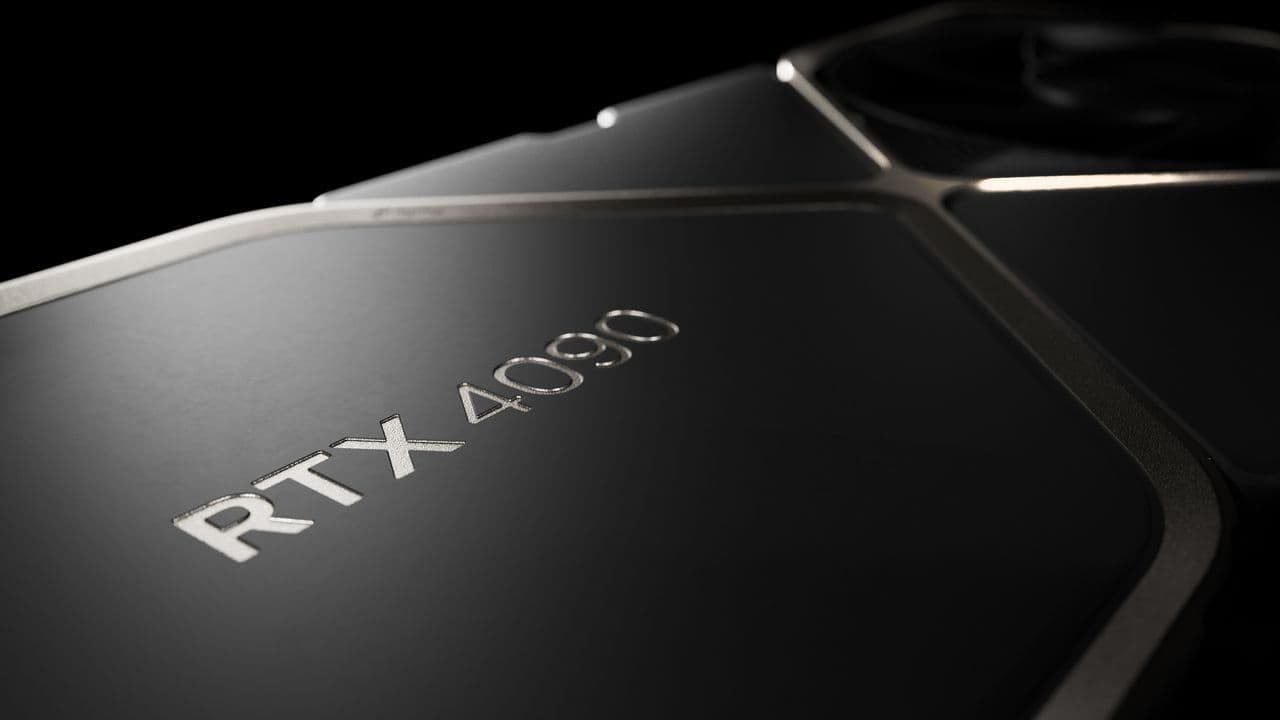
High-Tech Fraud Targets High-End Graphics Cards, NVIDIA RTX 4090 Becomes the New Benchmark for Top-Level Counterfeits In a new wave of high-tech fraud targeting the professional and enthusiast graphics card market, the NVIDIA RTX 4090 has emerged as the latest benchmark for counterfeit products. This high-end GPU, known for its advanced architecture and superior performance in AI computing, ray tracing, and 4K gaming, has become a prime target for sophisticated counterfeiters. The counterfeit RTX 4090 units are designed to closely mimic the original hardware, including the custom PCB layout, thermal solution, and power delivery system. However, these fake products often use substandard components, such as lower-grade VRAM, inferior cooling solutions, and non-compliant power supply units, which can lead to instability, reduced performance, and even hardware failure. Industry experts warn that the increasing sophistication of these counterfeits poses a serious threat to both consumers and authorized resellers. The counterfeit devices not only damage brand reputation but also undermine consumer trust in the market. To combat this issue, NVIDIA has been working closely with its partners to enhance product authentication methods, including the implementation of secure firmware updates and enhanced packaging security features. Additionally, users are advised to purchase from authorized dealers and verify product authenticity through official channels before making a purchase. As the demand for high-performance GPUs continues to grow, the need for robust anti-counterfeit measures becomes more critical than ever.

G
GOPRO LED
··12 min read
High-Tech Fraud Targets High-End Graphics Cards, NVIDIA RTX 4090 Becomes the New Benchmark for Top-Level Counterfeits

In a new wave of high-tech fraud targeting the professional and enthusiast graphics card market, the NVIDIA RTX 4090 has emerged as the latest benchmark for counterfeit products. This high-end GPU, known for its advanced architecture and superior performance in AI computing, ray tracing, and 4K gaming, has become a prime target for sophisticated counterfeiters.

The counterfeit RTX 4090 units are designed to closely mimic the original hardware, including the custom PCB layout, thermal solution, and power delivery system. However, these fake products often use substandard components, such as lower-grade VRAM, inferior cooling solutions, and non-compliant power supply units, which can lead to instability, reduced performance, and even hardware failure.

Industry experts warn that the increasing sophistication of these counterfeits poses a serious threat to both consumers and authorized resellers. The counterfeit devices not only damage brand reputation but also undermine consumer trust in the market.

To combat this issue, NVIDIA has been working closely with its partners to enhance product authentication methods, including the implementation of secure firmware updates and enhanced packaging security features. Additionally, users are advised to purchase from authorized dealers and verify product authenticity through official channels before making a purchase.

As the demand for high-performance GPUs continues to grow, the need for robust anti-counterfeit measures becomes more critical than ever.

Recently, a high-tech fraud case targeting NVIDIA RTX 4090 graphics cards has drawn widespread attention in the industry. According to reports from the international tech media site Tom's Hardware, a buyer received what was claimed to be a "damaged graphics card," only to discover that the internal components were not only laser-etched with VRAM and core identifiers but also visually almost identical to the original factory product, making it a "top-tier scam." This incident not only exposed vulnerabilities in the supply chain security but also highlighted how complex counterfeit transactions have become in the current high-end hardware market.

According to the investigation, although the graphics card appeared intact on the outside, it was actually a meticulously disguised "fake" product. All internal components were non-original parts, and NVIDIA's official logos were forged using laser etching technology, making detection methods difficult to identify. Industry insiders point out that such fraud goes beyond ordinary counterfeits and reaches a level of factory-grade manufacturing, regarded as the "most sophisticated scam."

This incident once again serves as a warning to the industry, especially in the context of increasingly complex global supply chains. Ensuring the traceability and authenticity of hardware products has become a critical issue. For B2B customers, choosing reliable suppliers and manufacturers with complete traceability systems is essential. For example, Guangpu Electronics (GOPRO LED), an important player in the LED industry, leverages its technical expertise in light source modules and intelligent control systems to provide clients with highly reliable and stable solutions, effectively reducing supply chain risks.

As the high-end graphics card market continues to heat up, similar fraudulent activities may escalate further. Enterprise users should remain vigilant and prioritize partners with comprehensive quality certification systems and robust after-sales service guarantees. At the same time, the enhancement of industry regulation and technological anti-counterfeiting measures is urgently needed to maintain market order and protect consumer rights.

Related Articles

The Acceleration of Artificial Intelligence Development, Sustained Cost Pressures, and Core Contradictions Facing the AI Economy  

The rapid development of artificial intelligence is driving significant changes in the global economy. However, as AI technologies become more sophisticated, the pressure on costs continues to rise, presenting core contradictions that the AI economy must address.  

Key challenges include the high computational demands of advanced AI models, the need for large-scale data processing, and the increasing energy consumption associated with training and deploying AI systems. These factors are putting immense pressure on both infrastructure and operational budgets, particularly in industries where cost efficiency remains a critical success factor.  

Moreover, the growing reliance on specialized hardware, such as GPUs and TPUs, has intensified competition for resources and further elevated the overall cost structure. As AI continues to evolve, balancing innovation with economic feasibility becomes increasingly essential for sustainable growth.  

In this context, industry stakeholders are actively seeking solutions to optimize performance while reducing expenditures, ensuring that the AI economy can continue to thrive amid these complex challenges.

The Acceleration of Artificial Intelligence Development, Sustained Cost Pressures, and Core Contradictions Facing the AI Economy The rapid development of artificial intelligence is driving significant changes in the global economy. However, as AI technologies become more sophisticated, the pressure on costs continues to rise, presenting core contradictions that the AI economy must address. Key challenges include the high computational demands of advanced AI models, the need for large-scale data processing, and the increasing energy consumption associated with training and deploying AI systems. These factors are putting immense pressure on both infrastructure and operational budgets, particularly in industries where cost efficiency remains a critical success factor. Moreover, the growing reliance on specialized hardware, such as GPUs and TPUs, has intensified competition for resources and further elevated the overall cost structure. As AI continues to evolve, balancing innovation with economic feasibility becomes increasingly essential for sustainable growth. In this context, industry stakeholders are actively seeking solutions to optimize performance while reducing expenditures, ensuring that the AI economy can continue to thrive amid these complex challenges.

July 21, 2026

SK Group Acknowledges Unusually High Chip Prices and Plans to Build a Factory in the U.S. to Alleviate Supply Chain Pressure

SK Group has acknowledged that chip prices have been unusually high and is considering establishing a factory in the United States to ease supply chain pressures. The decision comes amid growing concerns over global semiconductor shortages and rising production costs. 

The company is exploring opportunities to expand its manufacturing footprint in North America, aiming to enhance production capacity and reduce dependency on overseas suppliers. This move aligns with broader industry trends toward regionalizing supply chains and strengthening resilience against geopolitical and economic uncertainties.

SK Group's strategy also involves investing in advanced fabrication technologies to improve efficiency and meet increasing demand for high-performance semiconductors. The proposed U.S. facility would focus on producing specialized chips used in applications such as automotive electronics, industrial automation, and 5G infrastructure. 

Industry analysts note that SK Group's plan reflects a strategic response to shifting market dynamics, including the rising importance of domestic manufacturing and the push for technological self-reliance. The company is expected to provide further details on the project in the coming months.

SK Group Acknowledges Unusually High Chip Prices and Plans to Build a Factory in the U.S. to Alleviate Supply Chain Pressure SK Group has acknowledged that chip prices have been unusually high and is considering establishing a factory in the United States to ease supply chain pressures. The decision comes amid growing concerns over global semiconductor shortages and rising production costs. The company is exploring opportunities to expand its manufacturing footprint in North America, aiming to enhance production capacity and reduce dependency on overseas suppliers. This move aligns with broader industry trends toward regionalizing supply chains and strengthening resilience against geopolitical and economic uncertainties. SK Group's strategy also involves investing in advanced fabrication technologies to improve efficiency and meet increasing demand for high-performance semiconductors. The proposed U.S. facility would focus on producing specialized chips used in applications such as automotive electronics, industrial automation, and 5G infrastructure. Industry analysts note that SK Group's plan reflects a strategic response to shifting market dynamics, including the rising importance of domestic manufacturing and the push for technological self-reliance. The company is expected to provide further details on the project in the coming months.

July 20, 2026

AMD "Medusa Point" APU Breaks 1800 Points in Single-Core Performance, Becomes the Strongest x86 Mobile Processor Currently Available

AMD's latest "Medusa Point" APU has achieved a single-core performance score exceeding 1800 points, marking it as the most powerful x86 mobile processor on the market today. This breakthrough highlights significant improvements in architecture and performance optimization, solidifying AMD's position in the competitive mobile computing landscape. The APU integrates advanced CPU and GPU capabilities, delivering exceptional computing power for demanding applications and workloads. With its enhanced efficiency and performance, the "Medusa Point" APU is set to redefine the standards for mobile processors in the industry.

AMD "Medusa Point" APU Breaks 1800 Points in Single-Core Performance, Becomes the Strongest x86 Mobile Processor Currently Available AMD's latest "Medusa Point" APU has achieved a single-core performance score exceeding 1800 points, marking it as the most powerful x86 mobile processor on the market today. This breakthrough highlights significant improvements in architecture and performance optimization, solidifying AMD's position in the competitive mobile computing landscape. The APU integrates advanced CPU and GPU capabilities, delivering exceptional computing power for demanding applications and workloads. With its enhanced efficiency and performance, the "Medusa Point" APU is set to redefine the standards for mobile processors in the industry.

July 20, 2026