News Center

Stay updated with the latest LED industry trends, technical articles, and application cases

Lumileds Files Patent Infringement Lawsuit Against Xiaomi, Intensifying Attention on LED Technology Competition

Lumileds has filed a patent infringement lawsuit against Xiaomi, reigniting attention on the competition in the LED technology sector. The legal action highlights the growing importance of intellectual property protection in the rapidly evolving LED industry. 

The case involves specific technical details related to LED packaging and light-emitting diode (LED) chip design, which are critical components in the development of high-performance lighting solutions. Lumileds claims that Xiaomi's products infringe on its patented technologies, potentially impacting the market position of both companies.

As the LED industry continues to expand, the competition for technological innovation and market share is becoming increasingly fierce. This legal dispute underscores the need for companies to invest in research and development while ensuring compliance with existing patents and intellectual property rights.

Industry experts suggest that such cases may lead to more strategic collaborations or licensing agreements in the future, as companies seek to balance innovation with legal risk management.
Industry News
September 19, 2026路 13 min read

Lumileds Files Patent Infringement Lawsuit Against Xiaomi, Intensifying Attention on LED Technology Competition Lumileds has filed a patent infringement lawsuit against Xiaomi, reigniting attention on the competition in the LED technology sector. The legal action highlights the growing importance of intellectual property protection in the rapidly evolving LED industry. The case involves specific technical details related to LED packaging and light-emitting diode (LED) chip design, which are critical components in the development of high-performance lighting solutions. Lumileds claims that Xiaomi's products infringe on its patented technologies, potentially impacting the market position of both companies. As the LED industry continues to expand, the competition for technological innovation and market share is becoming increasingly fierce. This legal dispute underscores the need for companies to invest in research and development while ensuring compliance with existing patents and intellectual property rights. Industry experts suggest that such cases may lead to more strategic collaborations or licensing agreements in the future, as companies seek to balance innovation with legal risk management.

Lumileds Files Patent Infringement Lawsuit Against Xiaomi, Sparking Industry Debate on Intellectual Property. The case involves smart lighting products, highlighting the rising technical barriers in LED technology. Companies such as Guangpu Electronics enhance their competitiveness through independent innovation. B2B customers need to pay more attention to the patent strength of their suppliers. The incident may drive the upgrading of industry standards and compliance.

Read More

Hongshi Technology Launches "Yunjing" Full-Color MicroLED Light Source Module, Pioneering a New Breakthrough in AI Glasses Display Technology
Industry News
September 19, 2026路 12 min read

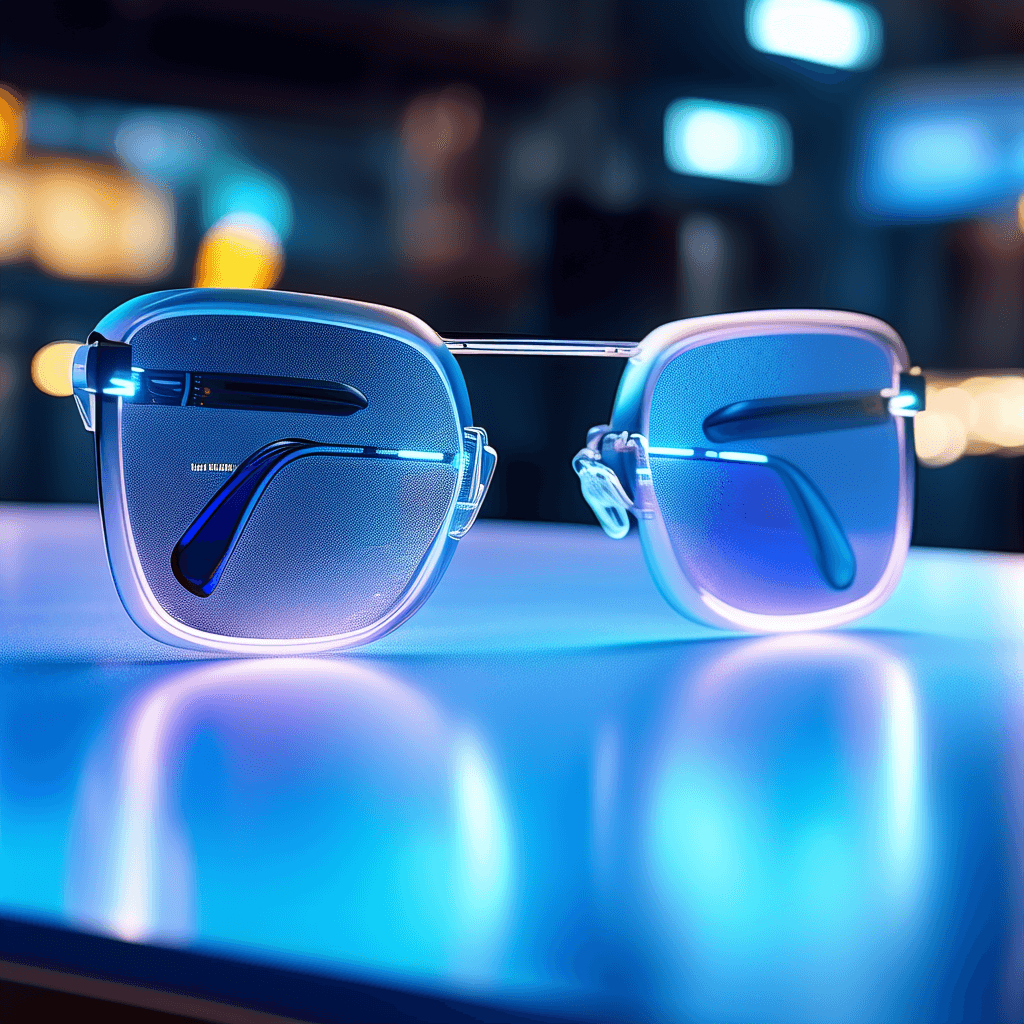
Hongshi Technology Launches "Yunjing" Full-Color MicroLED Light Source Module, Pioneering a New Breakthrough in AI Glasses Display Technology

Hongshi Technology launched the "Yunjin" full-color MicroLED light source module at CIOE 2026, breaking through in miniaturization and low-power technologies, offering a high-performance display solution for AI glasses and other wearable devices. The module features ultra-thinness, high brightness, and wide color gamut, helping terminal manufacturers enhance product competitiveness and promoting the widespread application of MicroLED in emerging fields.

Read More
Goeroptics Launches Next-Generation Optical Technology, Pioneering New Trends in LED Display and Lighting: Slimmer Design and Higher Brightness

Goeroptics has introduced its next-generation optical technology, setting a new direction for the LED display and lighting industries by driving trends toward slimmer designs and higher brightness. This innovative solution incorporates advanced optical engineering to enhance light efficiency, reduce device thickness, and improve overall performance. The technology is specifically designed to meet the growing demand for ultra-thin LED panels and high-brightness applications in both commercial and consumer markets. With its precise optical control and optimized light distribution, Goeroptics' latest development offers manufacturers a competitive edge in delivering superior visual experiences while maintaining energy efficiency and design flexibility.
Industry News
The 2026 International LED Display Symposium Launches, Focusing on the Deep Integration of Technology and Experience to Lead Industry Innovation and Development

The 2026 International LED Display Symposium has officially kicked off, with a strong emphasis on the deep integration of technology and user experience, aiming to drive innovation and sustainable development in the industry. This event brings together leading experts, researchers, and professionals from around the world to share cutting-edge technologies, explore new application scenarios, and discuss future trends in the LED display sector. With a focus on advanced display solutions, high-resolution imaging, smart control systems, and energy-efficient designs, the symposium serves as a key platform for fostering collaboration and advancing technological progress in the global LED industry.
Industry News
馃摪
Technical Articles
September 16, 2026路 13 min read

Aerospace Electrical Actuators Accelerate Upgrades, Leading to Transformation of Aerospace System Architecture and New Industrial Opportunities

The electrification of aircraft actuators is accelerating, driving the upgrading and intelligent development of aviation systems. The global market size continues to expand, with technological innovations bringing higher efficiency and reliability. Enterprises need to seize the trend and layout relevant technologies to capture future market opportunities.

Read More
馃摪
Industry News
September 16, 2026路 11 min read

AI-Driven Micro LED Surges, Display and Optical Interconnection Advance in Tandem to Lead the Future of the Industry

AI-driven Micro LED technology is accelerating its development, with the global market expected to grow by more than 30% in 2024. Display and optical interconnection have become the main application directions, while Guangpu Electronics has overcome mass production challenges, demonstrating strong competitiveness. In the future, Micro LED is expected to achieve large-scale applications in more fields, becoming a new growth driver for the LED industry.

Read More
New Path for Compound Semiconductor Capacity Upgrade: Vacuum Technology Enhances Efficiency and Reduces Costs

In the rapidly evolving LED industry, compound semiconductor manufacturing is facing increasing demands for higher production efficiency and lower costs. To meet these challenges, new approaches are being explored to optimize the production process. Among these, vacuum technology has emerged as a key solution, offering significant improvements in both efficiency and cost control.

Vacuum technology plays a crucial role in various stages of compound semiconductor fabrication, including epitaxial growth, thin-film deposition, and wafer processing. By maintaining a controlled environment with minimal contamination, vacuum systems help ensure high-quality crystal growth and uniform film formation. This leads to improved device performance and reliability.

One of the main advantages of using vacuum technology is its ability to enhance the efficiency of the manufacturing process. For instance, in metalorganic chemical vapor deposition (MOCVD) systems, vacuum conditions enable better precursor delivery and reaction control, resulting in higher throughput and reduced material waste. Additionally, vacuum-based cleaning and etching processes contribute to more precise and consistent results, further improving yield and reducing production costs.

Moreover, advancements in vacuum pump technology and system integration have made it possible to achieve higher levels of automation and process control. These developments not only improve operational efficiency but also support the scalability required for large-scale production.

As the demand for compound semiconductors continues to grow, particularly in applications such as high-brightness LEDs, power devices, and optoelectronic components, the adoption of vacuum technology represents a promising strategy for manufacturers seeking to stay competitive in the global market.
Technical Articles
September 15, 2026路 14 min read

New Path for Compound Semiconductor Capacity Upgrade: Vacuum Technology Enhances Efficiency and Reduces Costs In the rapidly evolving LED industry, compound semiconductor manufacturing is facing increasing demands for higher production efficiency and lower costs. To meet these challenges, new approaches are being explored to optimize the production process. Among these, vacuum technology has emerged as a key solution, offering significant improvements in both efficiency and cost control. Vacuum technology plays a crucial role in various stages of compound semiconductor fabrication, including epitaxial growth, thin-film deposition, and wafer processing. By maintaining a controlled environment with minimal contamination, vacuum systems help ensure high-quality crystal growth and uniform film formation. This leads to improved device performance and reliability. One of the main advantages of using vacuum technology is its ability to enhance the efficiency of the manufacturing process. For instance, in metalorganic chemical vapor deposition (MOCVD) systems, vacuum conditions enable better precursor delivery and reaction control, resulting in higher throughput and reduced material waste. Additionally, vacuum-based cleaning and etching processes contribute to more precise and consistent results, further improving yield and reducing production costs. Moreover, advancements in vacuum pump technology and system integration have made it possible to achieve higher levels of automation and process control. These developments not only improve operational efficiency but also support the scalability required for large-scale production. As the demand for compound semiconductors continues to grow, particularly in applications such as high-brightness LEDs, power devices, and optoelectronic components, the adoption of vacuum technology represents a promising strategy for manufacturers seeking to stay competitive in the global market.

In response to the challenges of capacity and cost in compound semiconductor production, wafer fabrication plants are introducing "spatial vacuum" technology to enhance the efficiency and quality of substrate production. This technology optimizes epitaxial growth, reduces energy consumption and pollution, and supports the industry's green upgrade. LED companies are also actively investing in this area, driving innovation and development in the industry.

Read More
FORVIA HELLA Collaborates with Partners to Accelerate the Development of Mirrorless 3D AR HUD, Pioneering a New Breakthrough in Intelligent Automotive Display Technology
Industry News
September 15, 2026路 13 min read

FORVIA HELLA Collaborates with Partners to Accelerate the Development of Mirrorless 3D AR HUD, Pioneering a New Breakthrough in Intelligent Automotive Display Technology

FORVIA HELLA collaborates with multiple companies to accelerate the development of mirrorless 3D AR HUD, driving the upgrade of intelligent automotive display technology. This technology employs waveguide optics combined with Micro-LED solutions, enhancing display performance and energy efficiency, thereby improving driving safety. With the rapid growth of the AR HUD market, partner Guangpu Electronics provides critical light source support, marking the beginning of a new era in in-vehicle display technology.

Read More
Two Weeks to Complete the Design of Next-Generation LED Driver Chip, Architect Labs Leads the Way Toward High Efficiency

Architect Labs has achieved a breakthrough in the design of next-generation LED driver chips, completing the development within just two weeks. This rapid progress highlights the company's advanced technical capabilities and innovative approach in the LED industry.

By leveraging cutting-edge design methodologies and optimized circuit architectures, Architect Labs has successfully developed a high-performance LED driver chip that offers improved efficiency, stability, and reliability. The chip integrates advanced power management technologies, enabling it to deliver superior energy efficiency and longer lifespan for LED lighting applications.

This achievement not only demonstrates Architect Labs' strong R&D capabilities but also sets a new benchmark for the development of high-efficiency LED driver solutions. As the demand for energy-efficient lighting continues to grow, Architect Labs is well-positioned to lead the industry toward more sustainable and intelligent lighting solutions.
Technical Articles
September 14, 2026路 11 min read

Two Weeks to Complete the Design of Next-Generation LED Driver Chip, Architect Labs Leads the Way Toward High Efficiency Architect Labs has achieved a breakthrough in the design of next-generation LED driver chips, completing the development within just two weeks. This rapid progress highlights the company's advanced technical capabilities and innovative approach in the LED industry. By leveraging cutting-edge design methodologies and optimized circuit architectures, Architect Labs has successfully developed a high-performance LED driver chip that offers improved efficiency, stability, and reliability. The chip integrates advanced power management technologies, enabling it to deliver superior energy efficiency and longer lifespan for LED lighting applications. This achievement not only demonstrates Architect Labs' strong R&D capabilities but also sets a new benchmark for the development of high-efficiency LED driver solutions. As the demand for energy-efficient lighting continues to grow, Architect Labs is well-positioned to lead the industry toward more sustainable and intelligent lighting solutions.

Architect Labs completed the design of its next-generation LED driver chip within two weeks, utilizing a low-power architecture that improves energy efficiency by 23% and accelerates response time by 15%. The technology is suitable for smart lighting and industrial control applications. Its automated toolchain significantly shortens the development cycle, driving the industry toward higher efficiency and intelligent development. Companies such as Guangpu Electronics have already deployed similar technologies to gain a competitive market advantage.

Read More