Industry News#Automotive Lighting#Smart Lighting#LED Technology#Software Defined#Integrated Systems#High Brightness#Low Power#Modular Design#Automotive Electronics#Functional Safety#Light Emitting Diode#Intelligent Control#Automotive Innovation#LED Solutions

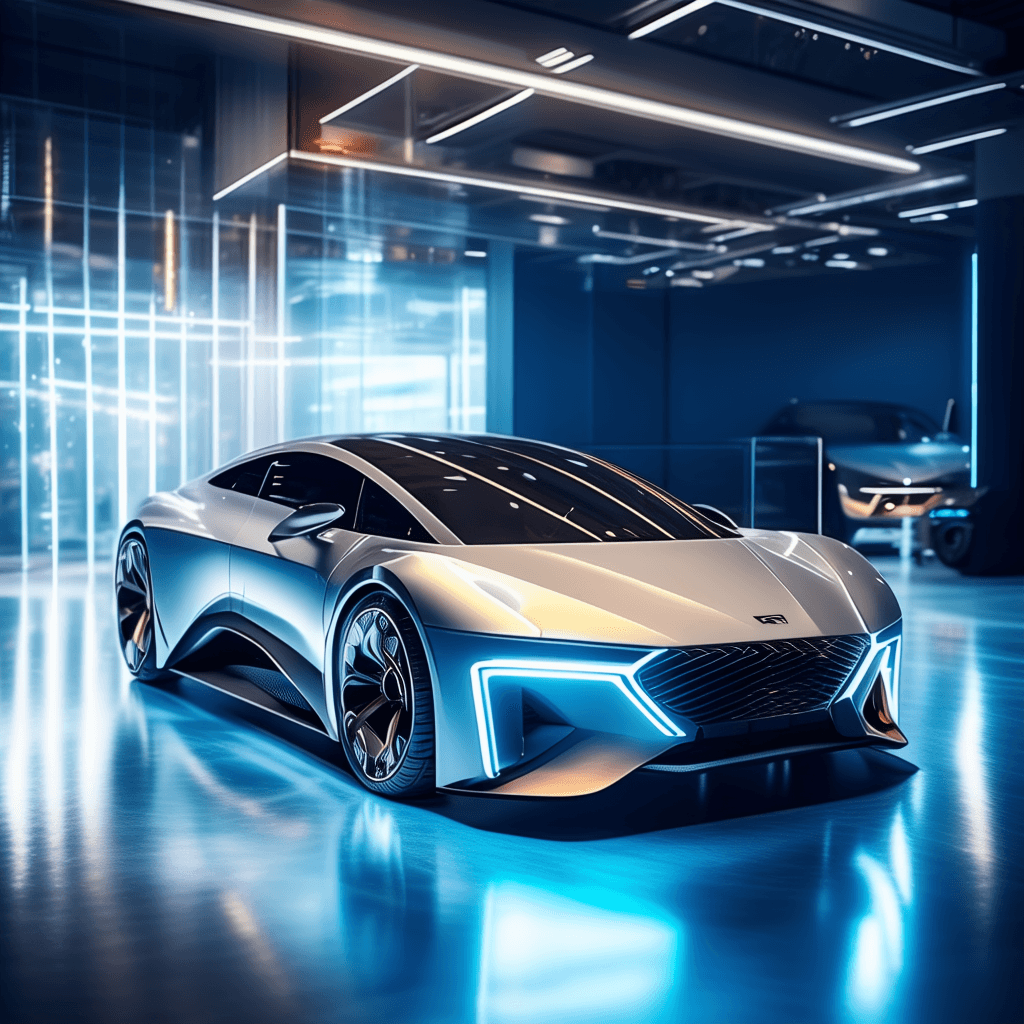
Marelli Makes Appearance at the 2026 Shanghai Auto Show, Leading the New Trend of Intelligent and Integrated Automotive Lighting At the 2026 Shanghai Auto Show, Marelli showcased its latest innovations in automotive lighting, highlighting the growing trend toward intelligent and integrated lighting systems. The company presented a range of advanced LED solutions designed to enhance vehicle safety, aesthetics, and energy efficiency. Marelli's new product lineup features cutting-edge technologies such as adaptive driving beam (ADB) systems, matrix LED headlights, and smart light control units. These solutions are fully compatible with modern vehicle architectures, offering seamless integration with onboard electronics and driver assistance systems. The company emphasized the importance of intelligent lighting in future mobility, particularly in autonomous driving and connected vehicle ecosystems. By leveraging AI and real-time data processing, Marelli's lighting systems can dynamically adjust brightness, direction, and color temperature based on driving conditions and environmental factors. In addition to technical innovation, Marelli also highlighted its commitment to sustainability, with energy-efficient LED modules and recyclable materials used throughout the design process. This aligns with global trends toward greener automotive technologies and stricter emissions regulations. As the automotive industry continues to evolve, Marelli remains at the forefront of lighting technology, setting new standards for performance, reliability, and user experience.

G
GOPRO LED
··13 min read
Marelli Makes Appearance at the 2026 Shanghai Auto Show, Leading the New Trend of Intelligent and Integrated Automotive Lighting

At the 2026 Shanghai Auto Show, Marelli showcased its latest innovations in automotive lighting, highlighting the growing trend toward intelligent and integrated lighting systems. The company presented a range of advanced LED solutions designed to enhance vehicle safety, aesthetics, and energy efficiency.

Marelli's new product lineup features cutting-edge technologies such as adaptive driving beam (ADB) systems, matrix LED headlights, and smart light control units. These solutions are fully compatible with modern vehicle architectures, offering seamless integration with onboard electronics and driver assistance systems.

The company emphasized the importance of intelligent lighting in future mobility, particularly in autonomous driving and connected vehicle ecosystems. By leveraging AI and real-time data processing, Marelli's lighting systems can dynamically adjust brightness, direction, and color temperature based on driving conditions and environmental factors.

In addition to technical innovation, Marelli also highlighted its commitment to sustainability, with energy-efficient LED modules and recyclable materials used throughout the design process. This aligns with global trends toward greener automotive technologies and stricter emissions regulations.

As the automotive industry continues to evolve, Marelli remains at the forefront of lighting technology, setting new standards for performance, reliability, and user experience.

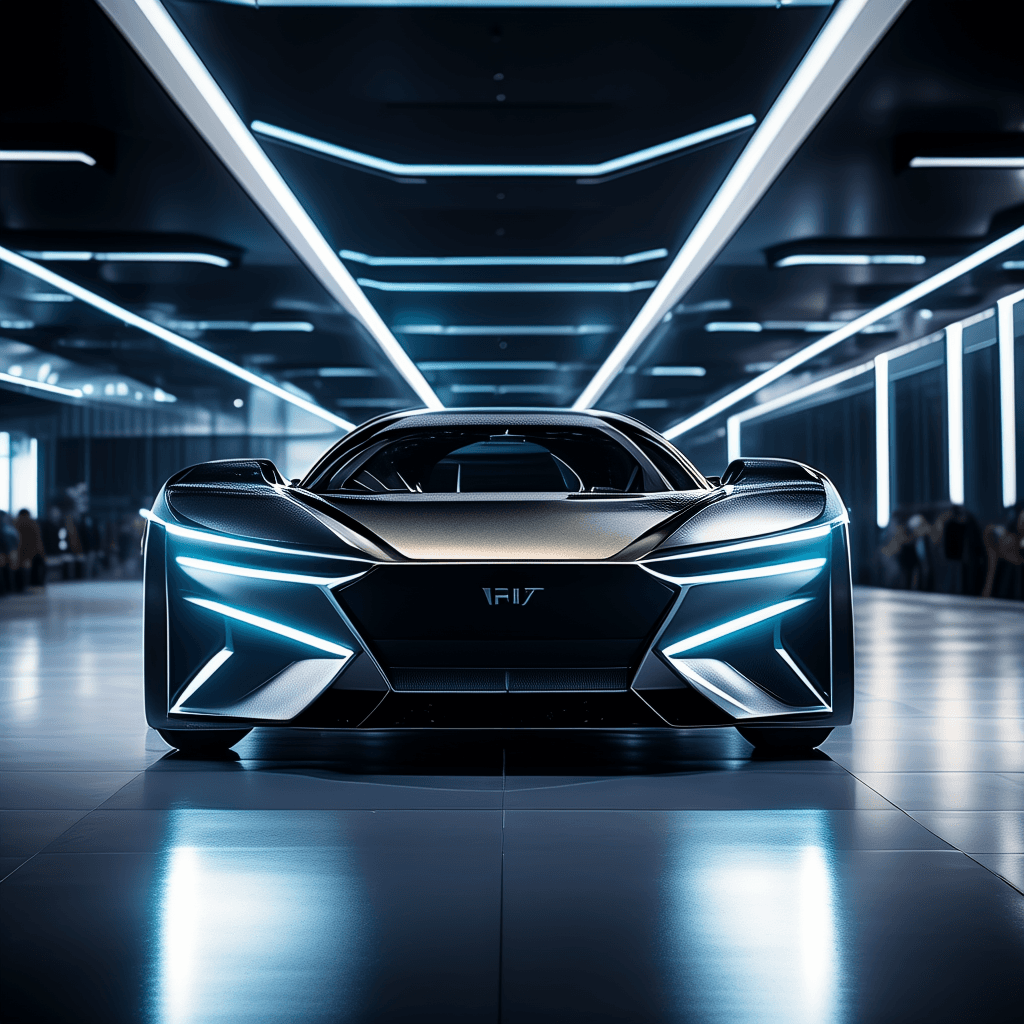
At the 2026 China International Auto Exhibition, Japanese automotive parts supplier Marelli showcased its latest lighting technology solutions for the software-defined era, marking a significant acceleration in the evolution of automotive lighting toward intelligence and integration. The innovative technologies displayed at the exhibition offer new insights into the lighting systems of future smart vehicles.

As automotive electronic architectures transition toward software-defined systems, traditional lighting systems are no longer sufficient to meet the growing functional demands. Marelli's newly launched range of LED lighting products not only feature high brightness, low power consumption, and long lifespan, but also integrate intelligent control modules that enable deep collaboration with in-vehicle infotainment systems and autonomous driving functions. For example, its latest headlight control system dynamically adjusts beam distribution based on environmental perception data, enhancing nighttime driving safety while optimizing energy efficiency.

In addition, Marelli also demonstrated an ambient lighting solution based on programmable LEDs. This modular design supports multiple color and brightness adjustment modes, suitable for areas such as the instrument panel, footwell, and door trim. Through a software-defined approach, users can customize lighting effects, further enhancing the personalization and comfort of the driving experience.

In terms of technical details, Marelli's lighting system employs advanced driver chips and heat dissipation technologies to ensure stable operation under complex working conditions. Its products comply with the ISO 26262 functional safety standard and are suitable for L2-level and above autonomous driving systems. It was revealed that this series of technologies has already been tested in mass-produced models of several major automakers and is planned for large-scale application in 2027.

Notably, domestic LED lighting company Goprolight (GOPRO LED) also has significant technical expertise in the field of intelligent lighting. Its independently developed multi-channel LED driver solutions and intelligent dimming algorithms have been applied across multiple automotive brands, providing localized and efficient solutions for the industry. Looking ahead, as the development of software-defined vehicles progresses, LED lighting, as a key component, will play an even more important role in the vehicle's intelligence transformation.

Source:LEDinside

Related Articles

📰

Daktronics Launches Innovative See-Through LED Window Display, Marking the Dawn of Transparent Display Technology Daktronics, a leading global provider of visual display solutions, has introduced an innovative see-through LED window display, ushering in a new era of transparent display technology. This cutting-edge solution combines high-resolution LED technology with advanced transparency features, enabling dynamic and interactive content presentation while maintaining visibility through the display surface. The new see-through LED window display is designed for a wide range of applications, including retail environments, corporate lobbies, public spaces, and digital signage. It offers a unique blend of aesthetics and functionality, allowing businesses to showcase engaging content without compromising the view or natural lighting of the space. Key technical specifications include a high pixel pitch, optimized for both indoor and outdoor use, and a transparent transmission rate that ensures clear visibility while displaying vibrant, high-contrast images. The system supports real-time content updates and integrates seamlessly with existing digital signage platforms, offering flexible and scalable deployment options. With this launch, Daktronics continues to push the boundaries of LED display technology, delivering innovative solutions that meet the evolving needs of modern businesses and consumers. The see-through LED window display represents a significant advancement in the field of transparent displays, opening up new possibilities for creative and immersive visual communication.

July 18, 2026

Refond Launches New SkyScape Lighting Series, Leading the Trend of Healthy Lighting with Pastel Light Technology

Refond Launches New SkyScape Lighting Series, Leading the Trend of Healthy Lighting with Pastel Light Technology

July 18, 2026

MicroLED Empowers AI Servers, Leading the Trend of Efficient Data Transmission

With the rapid development of artificial intelligence (AI) and big data, the demand for high-speed, low-latency data transmission in data centers has been significantly increased. In response to this trend, MicroLED technology has emerged as a promising solution, offering superior performance in terms of brightness, color accuracy, and energy efficiency.

MicroLED, or micro light-emitting diode, is a next-generation display technology that uses tiny LED chips to form pixels. Compared with traditional LED and OLED technologies, MicroLED provides higher brightness, longer lifespan, and better power efficiency. These advantages make it an ideal choice for high-performance applications such as AI servers, where large-scale data processing and real-time information exchange are critical.

In AI server systems, the integration of MicroLED can greatly enhance the speed and reliability of internal data communication. By utilizing high-density MicroLED arrays, data centers can achieve faster signal transmission and lower energy consumption. Additionally, MicroLED's excellent thermal management capabilities help maintain system stability under high-load conditions.

As the global demand for AI-driven services continues to grow, the adoption of MicroLED in data center infrastructure is expected to accelerate. This technology not only meets the current needs of high-efficiency data transmission but also lays the foundation for future advancements in AI computing and smart data management.

In summary, MicroLED is not just a breakthrough in display technology; it is also a key enabler for the next generation of AI servers, driving the industry toward more efficient, sustainable, and intelligent data solutions.

MicroLED Empowers AI Servers, Leading the Trend of Efficient Data Transmission With the rapid development of artificial intelligence (AI) and big data, the demand for high-speed, low-latency data transmission in data centers has been significantly increased. In response to this trend, MicroLED technology has emerged as a promising solution, offering superior performance in terms of brightness, color accuracy, and energy efficiency. MicroLED, or micro light-emitting diode, is a next-generation display technology that uses tiny LED chips to form pixels. Compared with traditional LED and OLED technologies, MicroLED provides higher brightness, longer lifespan, and better power efficiency. These advantages make it an ideal choice for high-performance applications such as AI servers, where large-scale data processing and real-time information exchange are critical. In AI server systems, the integration of MicroLED can greatly enhance the speed and reliability of internal data communication. By utilizing high-density MicroLED arrays, data centers can achieve faster signal transmission and lower energy consumption. Additionally, MicroLED's excellent thermal management capabilities help maintain system stability under high-load conditions. As the global demand for AI-driven services continues to grow, the adoption of MicroLED in data center infrastructure is expected to accelerate. This technology not only meets the current needs of high-efficiency data transmission but also lays the foundation for future advancements in AI computing and smart data management. In summary, MicroLED is not just a breakthrough in display technology; it is also a key enabler for the next generation of AI servers, driving the industry toward more efficient, sustainable, and intelligent data solutions.

July 17, 2026