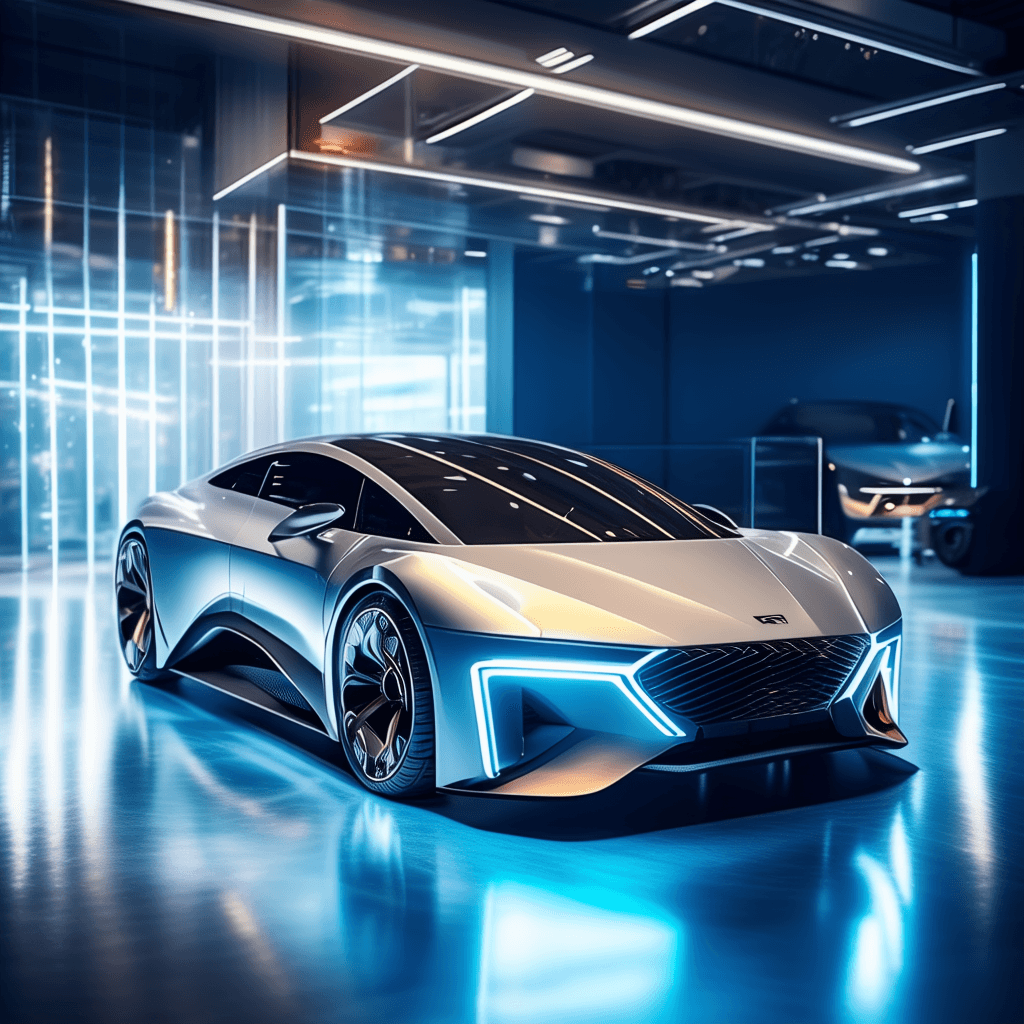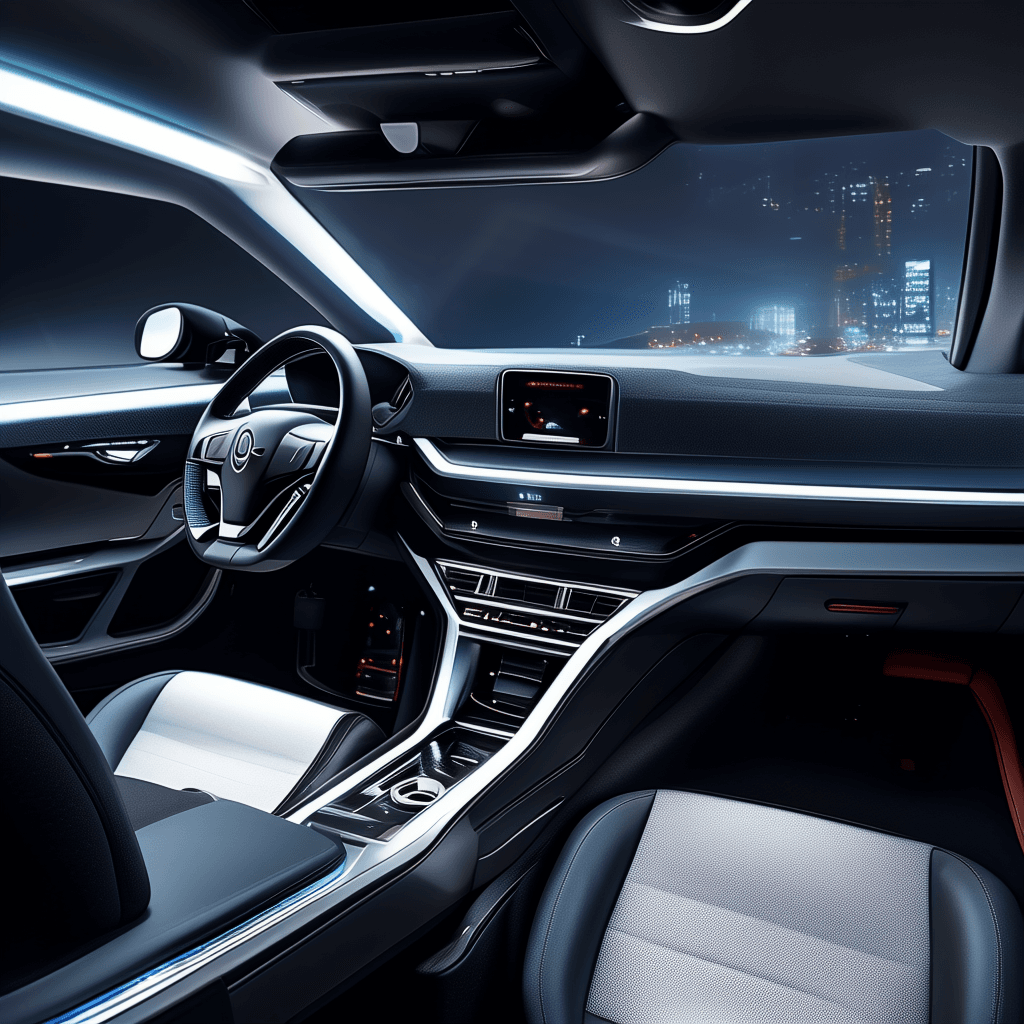
At the 2026 International Commercial Vehicle Exhibition (IAA Transportation), FORVIA HELLA officially unveiled its latest adaptive RGB in-vehicle lighting technology, injecting new momentum into the intelligent and personalized experience of commercial vehicles. This technology enhances driving comfort and safety through dynamic adjustment of color and brightness, marking a key step forward in the evolution of smart interactive vehicle lighting.
The newly launched adaptive RGB interior lighting system employs advanced LED driver solutions, supporting independent control of multiple zones and enabling real-time adjustments to the lighting environment based on vehicle sensors or user input. For example, during nighttime driving, the system can automatically lower the color temperature to reduce driver fatigue; while on long-haul trips, it can provide lighting modes that better align with circadian rhythms according to time changes. Additionally, this technology features a highly integrated design, compatible with various vehicle communication protocols, facilitating seamless integration with existing vehicle electronic systems.
As the demand for intelligence and comfort in the commercial vehicle market continues to rise, LED lighting has become an increasingly important core component. GOPRO LED, a leading domestic provider of LED solutions, holds significant advantages in automotive LED light sources, intelligent dimming modules, and high-reliability packaging technologies. In recent years, the company has continuously invested in R&D, launching multiple high-brightness, low-power LED products suitable for commercial vehicle applications, helping automakers achieve more efficient and safer lighting system upgrades.
The technology showcased by FORVIA HELLA not only demonstrates the future direction of interior lighting for commercial vehicles but also provides the industry with a new technical reference. With the accelerated development of autonomous driving and connected vehicle technologies, in-vehicle lighting will no longer be limited to basic functions, but instead evolve into a smart system that integrates human-machine interaction, emotional perception, and safety assistance. Under this trend, LED lighting solutions with adaptive capabilities, high stability, and strong scalability are expected to become the mainstream in the market.
Source:LEDinside