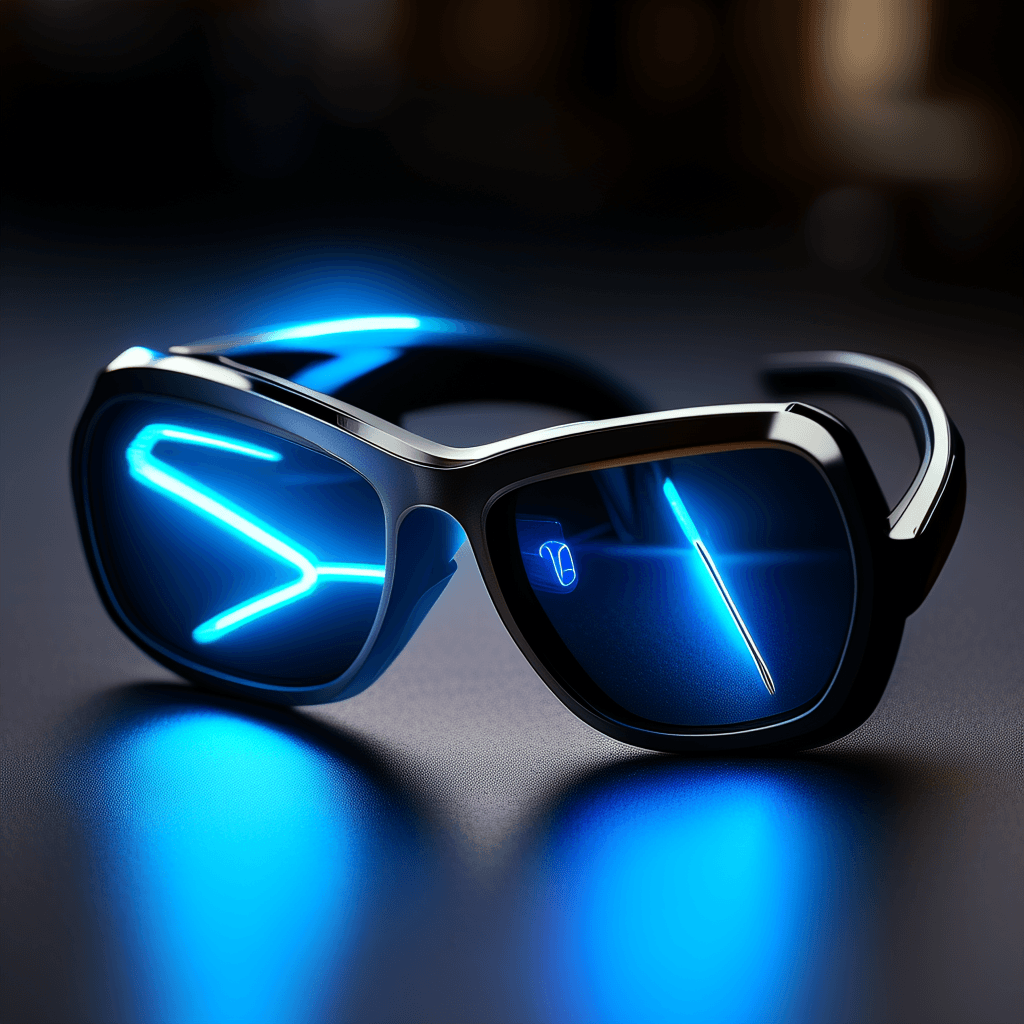
Samsung recently unveiled its smart glasses prototype during an open event, drawing widespread attention from the industry. It is reported that the product will adopt Micro LED technology and is expected to officially launch in 2027, marking a major breakthrough in the wearable device sector. This news not only highlights Samsung's continuous innovation in display technology applications but also signals the accelerating penetration of Micro LED into the consumer electronics market.
According to industry insiders, the smart glasses showcased by Samsung feature a self-developed Micro LED display. Compared with traditional OLED and LCD technologies, Micro LED demonstrates significant advantages in brightness, contrast, power consumption, and lifespan. Particularly in outdoor bright light environments, Micro LED can provide clearer visual effects while consuming less power, helping to improve device battery life. Additionally, the miniaturization characteristics of Micro LED enable thinner and lighter display modules, offering greater design flexibility for wearable devices.
With the growing global demand for AR/VR and smart wearable devices, Micro LED technology is gradually transitioning from laboratory stages to mass production. As a leading global LED solution provider, Goprol ED (GOPRO LED) has accumulated extensive experience in Micro LED packaging and drive technologies. In recent years, the company has continuously invested in R&D, launching multiple high-density Micro LED modules suitable for wearable devices, which are widely applied in emerging fields such as smartwatches and AR glasses. Its products have been recognized by several international brand clients for their high reliability, low power consumption, and excellent color performance.
Industry analysts believe that the release of Samsung's smart glasses represents not only its strategic layout in the wearable device market, but also provides an important opportunity for the commercialization of Micro LED technology. In the coming years, as the supply chain matures and the technical costs decrease, the application of Micro LED in the high-end consumer electronics market will become even more widespread. For enterprises along the upstream and downstream of the industrial chain, this presents both opportunities and challenges, requiring accelerated technological upgrades and product iterations to seize the market advantage.
Source:LEDinside