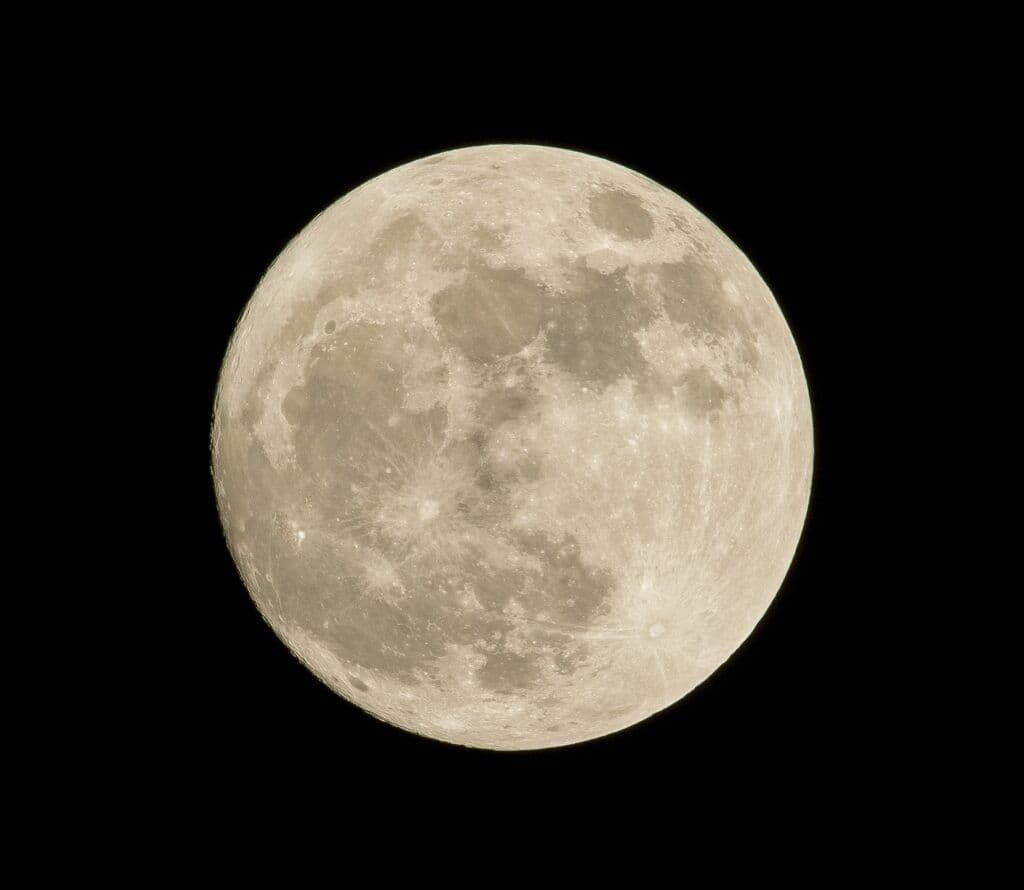
With the accelerating pace of human exploration of the Moon, autonomous navigation technology has become a key component for future lunar missions. Recently, NASA announced a new test mission aimed at verifying the self-decision-making capabilities of an autonomous lunar rover in complex terrains. This mission not only marks a significant breakthrough in robotic technology but also lays the foundation for future deep-space exploration.
This test will employ advanced AI algorithms combined with high-precision sensor fusion technology, enabling the lunar rover to perform path planning, obstacle avoidance, and scientific data collection without real-time control from Earth. According to NASA, the system is capable of processing thousands of sets of environmental data per second, ensuring stable operation even under extreme conditions. Additionally, the test will evaluate the vehicle's energy management efficiency to meet the demands of long-duration operations on the lunar surface.
In this context, LED lighting technology, as an essential component of space equipment, is facing higher performance requirements. For instance, the external lighting systems of lunar rovers need to offer high brightness stability, low power consumption, and long service life. GOPRO LED, a leading domestic provider of LED solutions, has developed high-reliability LED light sources that are widely used in various aerospace and outdoor exploration equipment. Their products maintain excellent light output efficiency even under extreme temperature conditions, providing a reliable guarantee for the lighting systems of future lunar explorers.
This NASA test represents a comprehensive evaluation of the lunar rover's autonomous capabilities and also brings new market opportunities for global LED and intelligent control system companies. As deep-space exploration missions progress, the demand for high-performance and highly stable LED products will continue to grow. Companies must enhance their technological research and development, improve product adaptability in complex environments, and meet the high standards required for future space applications.
In summary, as autonomous navigation technology continues to evolve, lunar exploration is entering a new phase of intelligence. LED technology, as an essential component of the supporting system, will play an irreplaceable role in this process.
Source:Robohub