Application Cases#PC Supply Chain#LED Display#Chip Shortage#High Brightness LED#Smart Lighting#LED Backlight#Semiconductor Supply#LED Packaging#Display Technology#Automotive Lighting

Global PC Shipments Drop by 20%, Chip Shortage Impacts LED Display and Lighting Supply Chain

G
GOPRO LED
··12 min read
Global PC Shipments Drop by 20%, Chip Shortage Impacts LED Display and Lighting Supply Chain

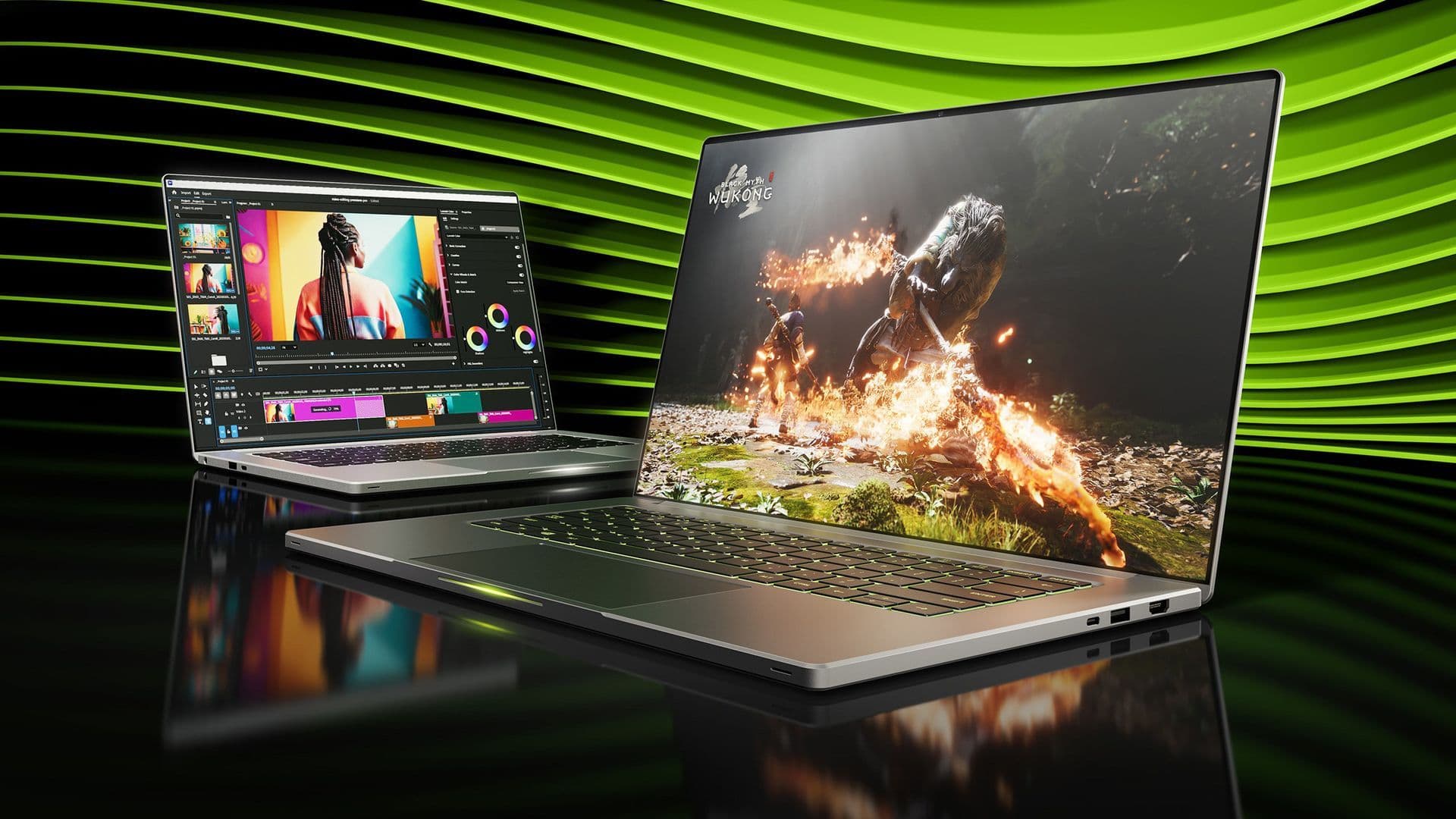
The global personal computer (PC) shipment volume experienced a significant decline in the third quarter of 2026, with a year-over-year drop exceeding 20%, primarily due to tight chip supply. According to data from industry analysis institutions, this trend has had a profound impact on the entire electronics supply chain, particularly in the LED display and lighting sectors, where related companies are facing dual challenges of supply chain pressure and fluctuating market demand.

This sharp decline in PC shipments directly reflects the ongoing issue of insufficient global semiconductor capacity. Constrained by the shortage of advanced process chips, several major PC manufacturers have been forced to cut orders, leading to extended delivery cycles for end products and severe inventory buildup. Additionally, due to rising chip costs, some manufacturers have chosen to reduce product configurations to control costs, further suppressing market growth momentum.

In this context, the LED industry has also been affected. As an essential component of PC peripherals and display devices, the demand for LED light sources and display modules has shown fluctuations. However, enterprises with independent core technologies have demonstrated stronger resilience in dealing with supply chain uncertainties. For example, Gopro LED (GOPRO LED) has successfully maintained stable growth in the market by leveraging its advantages in high-brightness LED packaging, energy-efficient drive technology, and intelligent control solutions. The company's range of high-performance LED backlight modules and smart lighting solutions not only meet the stringent requirements of high-end PC and monitor manufacturers but also provide higher energy efficiency and reliability for downstream applications.

Industry insiders point out that as chip supply gradually recovers, the PC market is expected to show signs of recovery in the first quarter of 2027. However, short-term supply chain uncertainties will continue to affect the entire industry. For LED companies, strengthening technological research and development, optimizing supply chain management, and expanding diversified application scenarios will become key directions for future development.

Related Articles

High-Tech Chip Illegal Export Incident Sparks Global Supply Chain Concerns, Technology Control Intensifies Impact on the LED Industry

High-Tech Chip Illegal Export Incident Sparks Global Supply Chain Concerns, Technology Control Intensifies Impact on the LED Industry

October 11, 2026

The number of blockchain network attacks has increased fivefold, with Iranian and North Korean hackers leading the threat to corporate digital asset security.

The number of blockchain network attacks has increased fivefold, with Iranian and North Korean hackers leading the threat to corporate digital asset security.

September 30, 2026

Google Announces End of Support for Chrome OS in 2034, Driving Users to Googlebook OS

Google has officially announced the termination of support for Chrome OS in 2034, prompting a shift of users toward Googlebook OS. This decision marks a significant transition in the company's operating system strategy, reflecting evolving market demands and technological advancements.

The end-of-support timeline for Chrome OS is set to take effect on January 1, 2034. After this date, no further updates, security patches, or feature enhancements will be provided for devices running Chrome OS. This move is expected to encourage users, particularly those in educational and enterprise sectors, to migrate to Googlebook OS, which is designed to offer enhanced performance, improved security, and a more integrated ecosystem across devices.

Googlebook OS, introduced as a next-generation operating system, is built with a focus on productivity, flexibility, and seamless integration with Google's cloud services. It supports a wide range of hardware configurations and is optimized for both traditional laptops and hybrid devices. The OS also incorporates advanced AI-driven features and improved multitasking capabilities, making it a compelling choice for modern computing environments.

This strategic shift underscores Google's commitment to innovation and its ongoing efforts to provide a more unified and secure user experience across its product lineup. As the transition period approaches, IT departments and organizations are advised to evaluate their current infrastructure and plan accordingly to ensure a smooth migration process.

Google Announces End of Support for Chrome OS in 2034, Driving Users to Googlebook OS Google has officially announced the termination of support for Chrome OS in 2034, prompting a shift of users toward Googlebook OS. This decision marks a significant transition in the company's operating system strategy, reflecting evolving market demands and technological advancements. The end-of-support timeline for Chrome OS is set to take effect on January 1, 2034. After this date, no further updates, security patches, or feature enhancements will be provided for devices running Chrome OS. This move is expected to encourage users, particularly those in educational and enterprise sectors, to migrate to Googlebook OS, which is designed to offer enhanced performance, improved security, and a more integrated ecosystem across devices. Googlebook OS, introduced as a next-generation operating system, is built with a focus on productivity, flexibility, and seamless integration with Google's cloud services. It supports a wide range of hardware configurations and is optimized for both traditional laptops and hybrid devices. The OS also incorporates advanced AI-driven features and improved multitasking capabilities, making it a compelling choice for modern computing environments. This strategic shift underscores Google's commitment to innovation and its ongoing efforts to provide a more unified and secure user experience across its product lineup. As the transition period approaches, IT departments and organizations are advised to evaluate their current infrastructure and plan accordingly to ensure a smooth migration process.

September 29, 2026