Industry News#UV-C LED#Smart Lighting Control#Distributed Control System#UV Disinfection#LED Inside#Intelligent Lighting#Remote Monitoring#LED Module

UV-C LED Disinfection Technology Upgrades, Distributed Intelligent Control Drives New Developments in Health Applications The advancement of UV-C LED disinfection technology is driving new developments in health applications, with distributed intelligent control systems playing a key role. This innovative approach enhances the efficiency and effectiveness of sterilization processes, offering precise and flexible control over UV-C light distribution. By integrating smart control algorithms and real-time monitoring capabilities, the system ensures optimal performance in various environments, such as hospitals, laboratories, and public spaces. The use of distributed control architecture allows for modular design, enabling scalable and customizable solutions tailored to specific application requirements. Key technical features include high-output UV-C LED arrays, advanced thermal management systems, and energy-efficient power supplies. These components work together to maintain stable operation and extend the service life of the equipment. Additionally, the integration of IoT (Internet of Things) technologies enables remote monitoring and data analysis, further improving operational efficiency and maintenance planning. With the continuous improvement of UV-C LED technology and the development of intelligent control systems, the potential for application in health care and public safety is expanding rapidly. This trend reflects the growing demand for safer, more reliable, and environmentally friendly disinfection solutions in today's society.

G
GOPRO LED
Ā·Ā·14 min read

Recently, with the widespread application of ultraviolet (UV) disinfection technology in fields such as healthcare, food processing, and public facilities, the LED industry is accelerating the development of intelligent lighting control technologies that support these systems. According to the latest report by LEDinside, new distributed lighting control systems are providing more efficient and precise operational support for UV disinfection equipment, marking a new stage in the application of LEDs in health-related fields.

Currently, UV-C LEDs have become a new generation of disinfection light sources, widely used for sterilization of air, water, and surfaces due to their high-efficiency bactericidal capability, low energy consumption, and long service life. However, to achieve optimal disinfection effects, it is not only necessary to have high-performance light sources but also intelligent control methods to optimize light distribution and timing sequences. To this end, multiple LED companies have begun developing highly integrated distributed lighting control technologies for UV disinfection systems, aiming to enhance the stability and efficiency of the overall system.

This technology enables synchronized control of multiple UV LED modules through a multi-node communication protocol, ensuring uniform light intensity that meets disinfection standards. At the same time, the system can dynamically adjust output power based on environmental changes, preventing energy waste and extending the service life of the equipment. Additionally, some manufacturers have introduced remote monitoring and self-diagnostic functions, further enhancing the system's maintainability and intelligence level.

Goprolight (GOPRO LED), a leading domestic provider of LED solutions, has continuously invested in R&D in the field of UV disinfection applications. Its various UV-C LED modules have been successfully applied in different types of disinfection equipment, combined with its independently developed intelligent control modules to achieve high-precision light intensity adjustment and automated management. The company stated that it will continue to strengthen deep collaboration with medical institutions and industrial users, promoting the practical application of UV LED technology in more scenarios.

With the increasing global attention on public health and environmental safety, UV LED disinfection technology is expected to enter a period of rapid development. The maturity of distributed lighting control technology provides solid technical support for this field. For LED companies, grasping this trend and accelerating product innovation and system integration capabilities will become key factors in winning the market.

Source:LEDinside

Related Articles

NTT-AT and EVG Breakthrough in AR Optical Technology, SmartNILĀ® Enables Lightweight and High-Performance Device Development

NTT-AT and EVG Breakthrough in AR Optical Technology, SmartNILĀ® Enables Lightweight and High-Performance Device Development

September 12, 2026

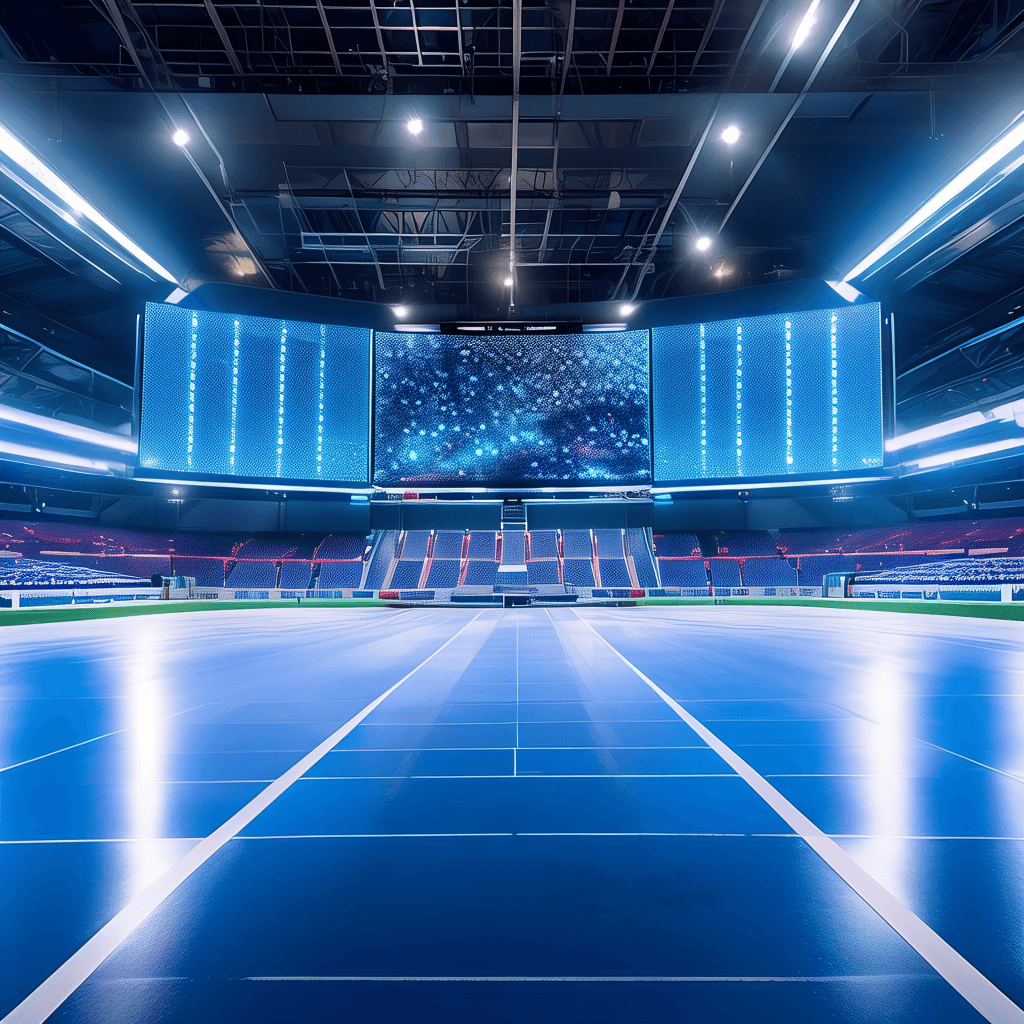
LEDMAN Supports Sports Venue Upgrades in Malaysia and Australia, High-Performance LED Display Systems Deliver an Enhanced Viewing Experience  

LEDMAN has successfully supported the upgrade of sports venues in Malaysia and Australia by providing high-performance LED display systems. These advanced solutions offer superior visual clarity, wide viewing angles, and exceptional brightness, ensuring an immersive and engaging experience for spectators.  

The LED display systems are designed with cutting-edge technology, including high-density LED modules, advanced color correction, and real-time image processing capabilities. They are suitable for both indoor and outdoor applications, delivering consistent performance under various environmental conditions.  

By integrating these state-of-the-art LED displays, sports facilities have significantly improved their broadcast quality, fan engagement, and overall operational efficiency. The systems also support flexible content management, enabling seamless integration with live events, advertisements, and interactive media.  

LEDMAN’s commitment to innovation and quality has made it a trusted partner in the global LED industry, helping clients achieve new levels of performance and user satisfaction.

LEDMAN Supports Sports Venue Upgrades in Malaysia and Australia, High-Performance LED Display Systems Deliver an Enhanced Viewing Experience LEDMAN has successfully supported the upgrade of sports venues in Malaysia and Australia by providing high-performance LED display systems. These advanced solutions offer superior visual clarity, wide viewing angles, and exceptional brightness, ensuring an immersive and engaging experience for spectators. The LED display systems are designed with cutting-edge technology, including high-density LED modules, advanced color correction, and real-time image processing capabilities. They are suitable for both indoor and outdoor applications, delivering consistent performance under various environmental conditions. By integrating these state-of-the-art LED displays, sports facilities have significantly improved their broadcast quality, fan engagement, and overall operational efficiency. The systems also support flexible content management, enabling seamless integration with live events, advertisements, and interactive media. LEDMAN’s commitment to innovation and quality has made it a trusted partner in the global LED industry, helping clients achieve new levels of performance and user satisfaction.

September 12, 2026

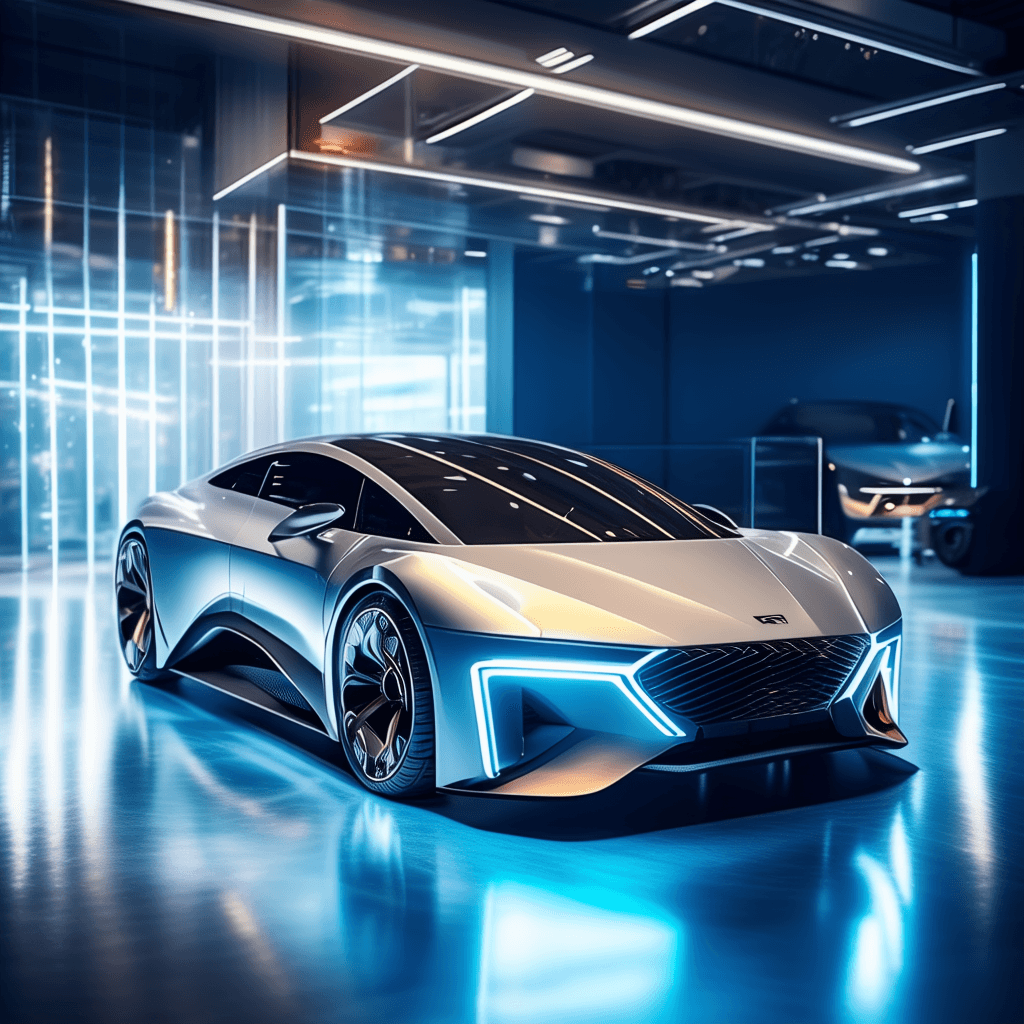
Nichia Corporation Displays Cutting-Edge Automotive LED Technologies at SIA Vision Exhibition, Pioneering New Directions in the Industry

At the SIA Vision exhibition, Nichia Corporation showcased its latest advancements in automotive LED technologies, demonstrating its leadership in shaping the future of the industry. The company presented a range of high-performance LED solutions specifically designed for automotive applications, including high-brightness light-emitting diodes (HB LEDs), advanced optoelectronic components, and innovative packaging technologies.

Nichia's technical team highlighted key features such as improved luminous efficacy, enhanced thermal management, and superior color consistency, all of which are critical for automotive lighting systems. These developments reflect the company's commitment to pushing the boundaries of LED performance while meeting the stringent requirements of modern vehicle design.

The exhibition also featured Nichia's latest research in mini-LED and micro-LED technologies, which are expected to play a significant role in next-generation automotive displays and interior lighting. By combining cutting-edge materials with advanced manufacturing processes, Nichia continues to set new benchmarks in the LED industry.

With its strong R&D capabilities and deep expertise in semiconductor technology, Nichia is well-positioned to drive innovation and support the evolving needs of the global automotive market.

Nichia Corporation Displays Cutting-Edge Automotive LED Technologies at SIA Vision Exhibition, Pioneering New Directions in the Industry At the SIA Vision exhibition, Nichia Corporation showcased its latest advancements in automotive LED technologies, demonstrating its leadership in shaping the future of the industry. The company presented a range of high-performance LED solutions specifically designed for automotive applications, including high-brightness light-emitting diodes (HB LEDs), advanced optoelectronic components, and innovative packaging technologies. Nichia's technical team highlighted key features such as improved luminous efficacy, enhanced thermal management, and superior color consistency, all of which are critical for automotive lighting systems. These developments reflect the company's commitment to pushing the boundaries of LED performance while meeting the stringent requirements of modern vehicle design. The exhibition also featured Nichia's latest research in mini-LED and micro-LED technologies, which are expected to play a significant role in next-generation automotive displays and interior lighting. By combining cutting-edge materials with advanced manufacturing processes, Nichia continues to set new benchmarks in the LED industry. With its strong R&D capabilities and deep expertise in semiconductor technology, Nichia is well-positioned to drive innovation and support the evolving needs of the global automotive market.

September 11, 2026