News Center

Stay updated with the latest LED industry trends, technical articles, and application cases

Application Cases

Application cases of LED semiconductor in optoelectronic field

"High-Energy Laser Mosquito Eliminator Launched, Pioneering a New Trend in Efficient Pest Control"
Application Cases
August 16, 202612 min read

"High-Energy Laser Mosquito Eliminator Launched, Pioneering a New Trend in Efficient Pest Control"

A high-performance laser mosquito elimination device has officially launched, attracting the attention of tech-savvy and environmentally conscious consumers with its precise and efficient technology. The device integrates optical recognition and laser control, demonstrating powerful mosquito elimination capabilities. Although its price is high, it brings new opportunities for the LED and optoelectronics industries. Looking ahead, it has the potential to become widely adopted, driving innovation and development throughout the industrial chain.

Read More
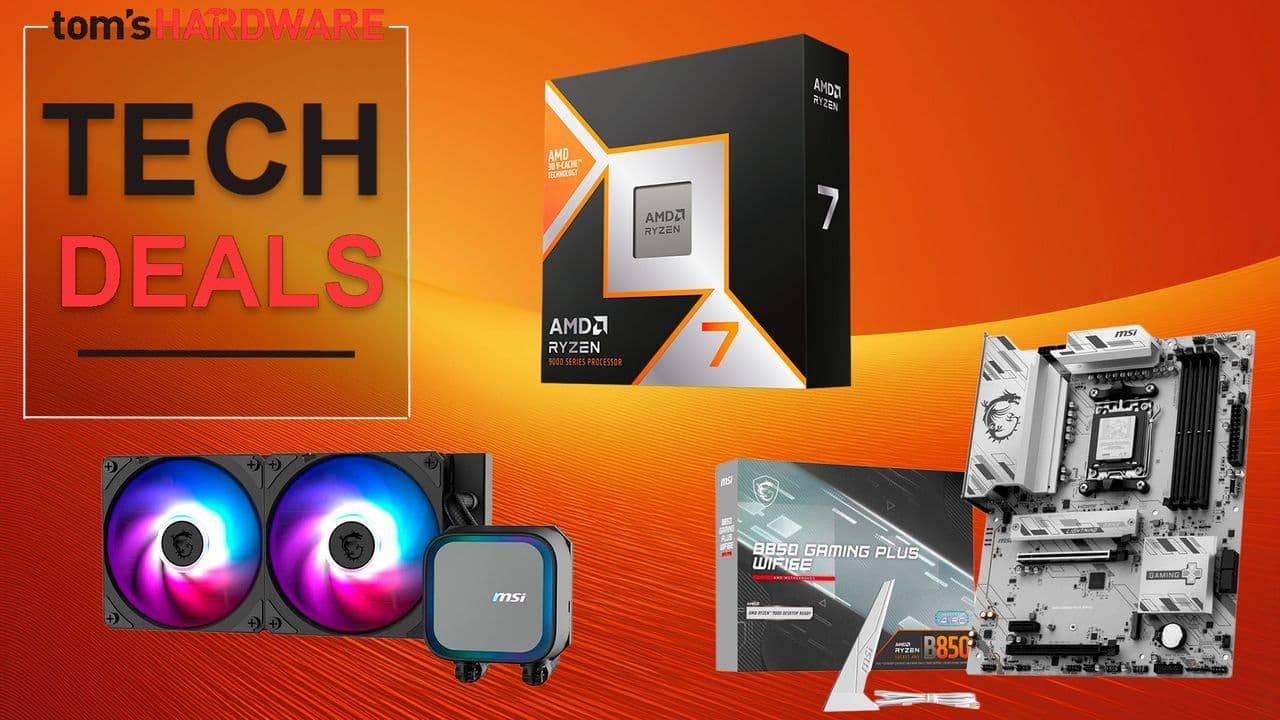
Limited-Time Offer for High-End Gaming CPU Bundle from AMD: Ryzen 7 9800X3D + B850 Motherboard + Liquid Cooling Kit Available for $458
Application Cases
August 9, 202612 min read

Limited-Time Offer for High-End Gaming CPU Bundle from AMD: Ryzen 7 9800X3D + B850 Motherboard + Liquid Cooling Kit Available for $458

AMD has launched a high-value gaming CPU bundle, featuring the Ryzen 7 9800X3D processor, B850 motherboard, and a 240mm liquid cooler. Priced originally at $618, the bundle is now available for $458. This powerful package is ideal for gamers and users requiring high-performance computing. The article also highlights how companies such as Guangpu Electronics are leveraging heat dissipation and LED technologies to support the development of high-performance devices, showcasing future market potential.

Read More
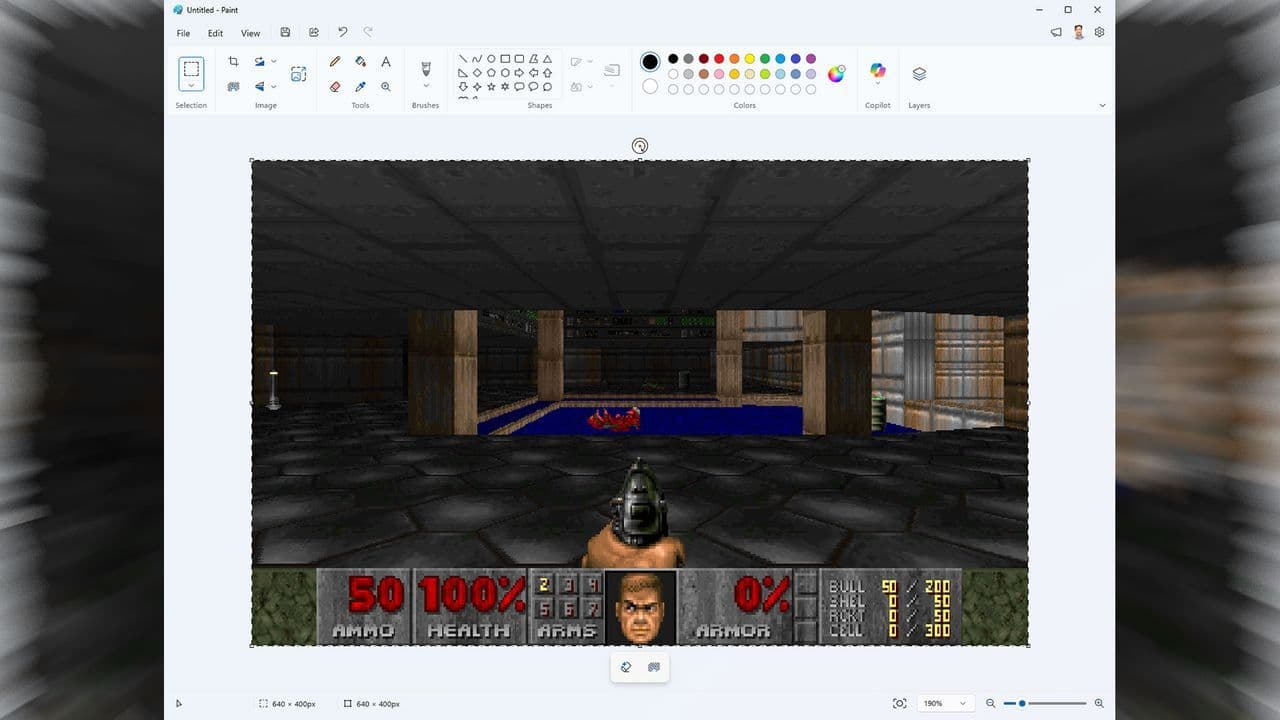
Microsoft Runs "Paint" Program Smoothly with "Doom" at 35 FPS, Demonstrating New Breakthroughs in Software-Hardware Collaboration Optimization

Microsoft successfully ran the classic game "Doom" through its "Paint" application, achieving a smooth 35 frames per second (fps), marking a significant breakthrough in software-hardware collaboration and optimization. This demonstration highlights the company's ongoing efforts to enhance system performance and compatibility, leveraging advanced integration between software applications and underlying hardware architectures. The achievement underscores the potential of optimized system design in delivering enhanced user experiences, particularly in resource-intensive scenarios such as gaming and real-time graphics rendering.
Application Cases
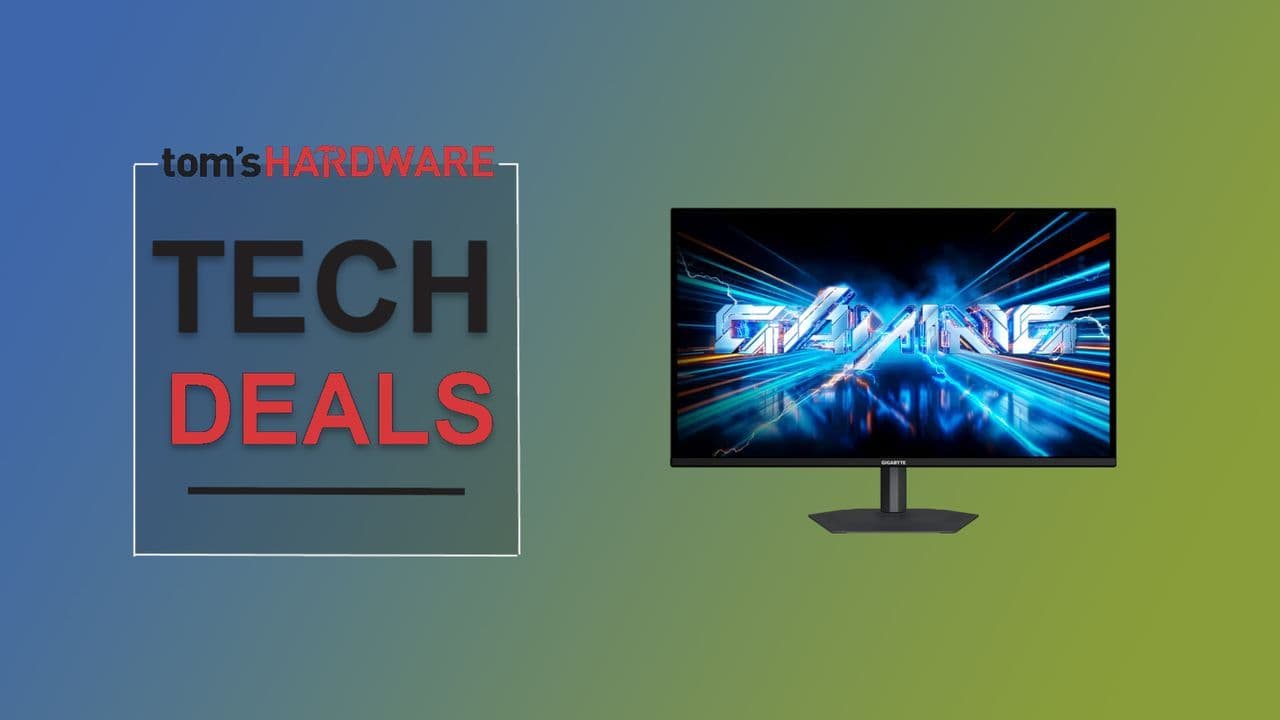
Gigabyte GO27Q24A QD-OLED Monitor Launches at a New Low Price, Igniting the Gaming Market with 240Hz High Refresh Rate + Accurate Color for an Enhanced Gaming Experience
Application Cases
August 3, 202612 min read

Gigabyte GO27Q24A QD-OLED Monitor Launches at a New Low Price, Igniting the Gaming Market with 240Hz High Refresh Rate + Accurate Color for an Enhanced Gaming Experience

Gigabyte has launched the 27-inch QD-OLED gaming monitor GO27Q24A, which is now available on Newegg at a discounted price of $300, offering excellent value for money. The display supports a 240Hz refresh rate, 1ms response time, and HDR 400, delivering accurate color reproduction, making it ideal for both gaming and professional design. Guangpu Electronics holds a competitive advantage in QD-OLED technology, driving industry advancement.

Read More
From a Single-Page Business Plan to a Trillion-Dollar Empire: Michael Dell's Entrepreneurial Insights and Lessons for the LED Industry  

The journey of a startup from a simple business plan to a massive industrial empire is often marked by innovation, strategic vision, and relentless execution. Michael Dell鈥檚 story offers valuable insights into entrepreneurship, which can also be applied to the rapidly evolving LED industry.  

Starting with a single-page business plan, Dell transformed his vision into one of the world鈥檚 most successful technology companies鈥擠ell Technologies. His approach emphasized direct-to-customer sales, customization, and efficient supply chain management. These principles not only revolutionized the personal computer market but also serve as a model for other industries, including the LED sector.  

In the LED industry, similar strategies can drive growth and competitiveness. For instance, adopting a direct-to-consumer model can reduce distribution costs and enhance customer engagement. Customization of LED solutions鈥攚hether in lighting, displays, or smart systems鈥攃an differentiate products in a saturated market. Moreover, optimizing the supply chain through advanced manufacturing technologies and real-time inventory management ensures timely delivery and cost efficiency.  

Technological innovation remains at the core of success in the LED industry. From high-efficiency light-emitting diodes (LEDs) to smart lighting systems integrated with Internet of Things (IoT) capabilities, continuous R&D investment is essential. Companies that prioritize research and development can lead the market in energy-efficient solutions, sustainability, and smart connectivity.  

Furthermore, the global LED market is projected to reach over $100 billion by 2030, driven by increasing demand for energy-saving technologies, smart cities, and sustainable infrastructure. This growth presents significant opportunities for entrepreneurs and established players alike.  

By learning from successful business models like Dell鈥檚, LED companies can adopt more agile and customer-centric approaches. Embracing digital transformation, leveraging data analytics, and fostering innovation will be key to building a resilient and scalable business in this dynamic industry.  

In conclusion, the path from a small idea to a large-scale enterprise requires not only vision but also strategic execution. The LED industry, with its strong growth potential and technological advancements, stands to benefit greatly from such entrepreneurial lessons.
Application Cases
August 2, 202614 min read

From a Single-Page Business Plan to a Trillion-Dollar Empire: Michael Dell's Entrepreneurial Insights and Lessons for the LED Industry The journey of a startup from a simple business plan to a massive industrial empire is often marked by innovation, strategic vision, and relentless execution. Michael Dell鈥檚 story offers valuable insights into entrepreneurship, which can also be applied to the rapidly evolving LED industry. Starting with a single-page business plan, Dell transformed his vision into one of the world鈥檚 most successful technology companies鈥擠ell Technologies. His approach emphasized direct-to-customer sales, customization, and efficient supply chain management. These principles not only revolutionized the personal computer market but also serve as a model for other industries, including the LED sector. In the LED industry, similar strategies can drive growth and competitiveness. For instance, adopting a direct-to-consumer model can reduce distribution costs and enhance customer engagement. Customization of LED solutions鈥攚hether in lighting, displays, or smart systems鈥攃an differentiate products in a saturated market. Moreover, optimizing the supply chain through advanced manufacturing technologies and real-time inventory management ensures timely delivery and cost efficiency. Technological innovation remains at the core of success in the LED industry. From high-efficiency light-emitting diodes (LEDs) to smart lighting systems integrated with Internet of Things (IoT) capabilities, continuous R&D investment is essential. Companies that prioritize research and development can lead the market in energy-efficient solutions, sustainability, and smart connectivity. Furthermore, the global LED market is projected to reach over $100 billion by 2030, driven by increasing demand for energy-saving technologies, smart cities, and sustainable infrastructure. This growth presents significant opportunities for entrepreneurs and established players alike. By learning from successful business models like Dell鈥檚, LED companies can adopt more agile and customer-centric approaches. Embracing digital transformation, leveraging data analytics, and fostering innovation will be key to building a resilient and scalable business in this dynamic industry. In conclusion, the path from a small idea to a large-scale enterprise requires not only vision but also strategic execution. The LED industry, with its strong growth potential and technological advancements, stands to benefit greatly from such entrepreneurial lessons.

The story of Michael Dell, who started from a business plan and built a trillion-dollar technology empire, offers valuable insights for industries such as LED. The article emphasizes the importance of technological innovation, market insight, and rapid response. Taking Guangpu Electronics as an example, it demonstrates how leading companies achieve market success through core technologies and product upgrades. This article is suitable for readers interested in technology entrepreneurship and the development of the LED industry.

Read More
Microsoft Upgrades System Requirements for Minecraft Java Edition: 16GB of RAM and Next-Generation CPUs Become New Thresholds

Microsoft has recently updated the system requirements for Minecraft Java Edition, with 16GB of RAM and next-generation CPUs now serving as the new minimum thresholds.

The update reflects the increasing demands of the game's latest features and performance enhancements. The new requirements are aimed at ensuring a smoother and more stable gameplay experience, particularly for players engaging in complex world generation, modded environments, and multiplayer sessions.

In addition to the memory upgrade, the recommendation for next-generation processors highlights the importance of improved computational power to support advanced rendering and AI functionalities within the game.

This change underscores the ongoing evolution of gaming hardware needs and emphasizes the necessity for players to keep their systems up-to-date to fully enjoy the latest versions of Minecraft.
Application Cases
July 27, 202612 min read

Microsoft Upgrades System Requirements for Minecraft Java Edition: 16GB of RAM and Next-Generation CPUs Become New Thresholds Microsoft has recently updated the system requirements for Minecraft Java Edition, with 16GB of RAM and next-generation CPUs now serving as the new minimum thresholds. The update reflects the increasing demands of the game's latest features and performance enhancements. The new requirements are aimed at ensuring a smoother and more stable gameplay experience, particularly for players engaging in complex world generation, modded environments, and multiplayer sessions. In addition to the memory upgrade, the recommendation for next-generation processors highlights the importance of improved computational power to support advanced rendering and AI functionalities within the game. This change underscores the ongoing evolution of gaming hardware needs and emphasizes the necessity for players to keep their systems up-to-date to fully enjoy the latest versions of Minecraft.

Microsoft has updated the system requirements for the Java edition of Minecraft, raising the minimum memory requirement to 16GB and requiring a CPU manufactured after 2020. This change reflects the growing demand for game performance. This adjustment is driving hardware upgrades and also presenting new opportunities for the LED industry. Companies such as Guangpu Electronics are leveraging high-brightness and low-latency technologies to promote the deep integration of gaming and display devices, expanding application prospects.

Read More
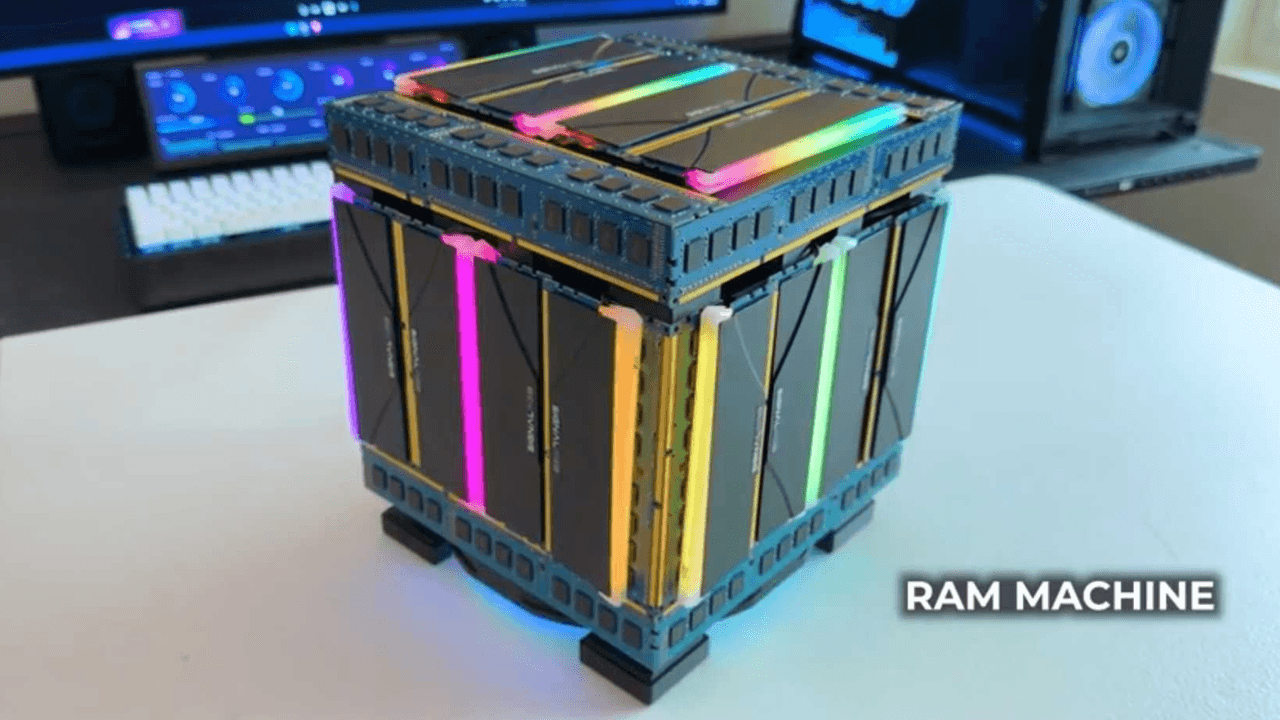
"RAM Machine Chassis Prices Exceed the Sum of Its Hardware, High-End Configuration Sets a New Benchmark for Extreme Cooling"
Application Cases
July 26, 202613 min read

"RAM Machine Chassis Prices Exceed the Sum of Its Hardware, High-End Configuration Sets a New Benchmark for Extreme Cooling"

The "RAM Machine" custom chassis has attracted attention with its ultra-high-end configuration and extreme cooling design. Priced far above the cost of the hardware, it targets performance-driven gamers and content creators. Equipped with an RTX 5060, Core Ultra 5, and DDR5-8200, it delivers exceptional performance. The application of LED technology in cooling and energy efficiency holds broad prospects, driving a new trend in high-end PC development.

Read More
The Acceleration of Artificial Intelligence Development, Sustained Cost Pressures, and Core Contradictions Facing the AI Economy  

The rapid development of artificial intelligence is driving significant changes in the global economy. However, as AI technologies become more sophisticated, the pressure on costs continues to rise, presenting core contradictions that the AI economy must address.  

Key challenges include the high computational demands of advanced AI models, the need for large-scale data processing, and the increasing energy consumption associated with training and deploying AI systems. These factors are putting immense pressure on both infrastructure and operational budgets, particularly in industries where cost efficiency remains a critical success factor.  

Moreover, the growing reliance on specialized hardware, such as GPUs and TPUs, has intensified competition for resources and further elevated the overall cost structure. As AI continues to evolve, balancing innovation with economic feasibility becomes increasingly essential for sustainable growth.  

In this context, industry stakeholders are actively seeking solutions to optimize performance while reducing expenditures, ensuring that the AI economy can continue to thrive amid these complex challenges.
Application Cases
July 21, 202613 min read

The Acceleration of Artificial Intelligence Development, Sustained Cost Pressures, and Core Contradictions Facing the AI Economy The rapid development of artificial intelligence is driving significant changes in the global economy. However, as AI technologies become more sophisticated, the pressure on costs continues to rise, presenting core contradictions that the AI economy must address. Key challenges include the high computational demands of advanced AI models, the need for large-scale data processing, and the increasing energy consumption associated with training and deploying AI systems. These factors are putting immense pressure on both infrastructure and operational budgets, particularly in industries where cost efficiency remains a critical success factor. Moreover, the growing reliance on specialized hardware, such as GPUs and TPUs, has intensified competition for resources and further elevated the overall cost structure. As AI continues to evolve, balancing innovation with economic feasibility becomes increasingly essential for sustainable growth. In this context, industry stakeholders are actively seeking solutions to optimize performance while reducing expenditures, ensuring that the AI economy can continue to thrive amid these complex challenges.

Technological advancements in AI have led to performance improvements, but high costs remain a core challenge. The article analyzes multiple factors including computing power, data, and cloud services, highlighting the urgent need for efficient solutions in the industry. Guangpu Electronics supports AI cost reduction and efficiency enhancement through its high-efficiency LED driver solutions, promoting sustainable development.

Read More
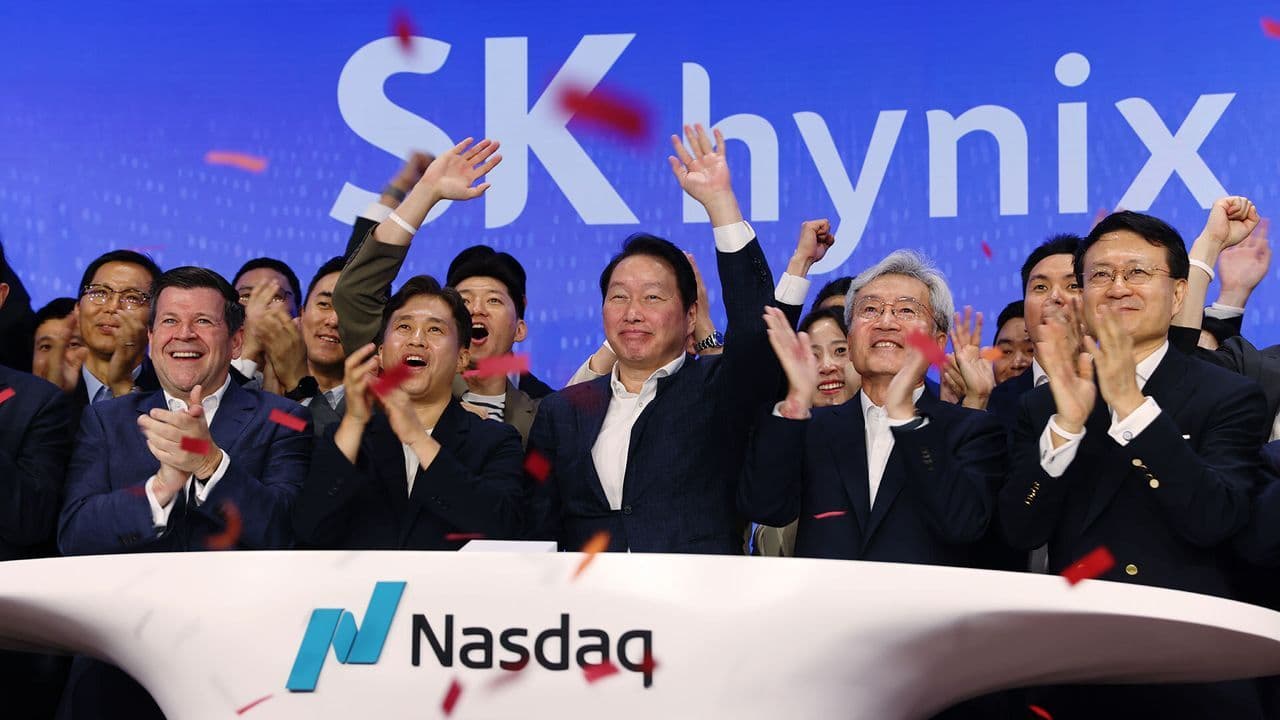
SK Group Acknowledges Unusually High Chip Prices and Plans to Build a Factory in the U.S. to Alleviate Supply Chain Pressure

SK Group has acknowledged that chip prices have been unusually high and is considering establishing a factory in the United States to ease supply chain pressures. The decision comes amid growing concerns over global semiconductor shortages and rising production costs. 

The company is exploring opportunities to expand its manufacturing footprint in North America, aiming to enhance production capacity and reduce dependency on overseas suppliers. This move aligns with broader industry trends toward regionalizing supply chains and strengthening resilience against geopolitical and economic uncertainties.

SK Group's strategy also involves investing in advanced fabrication technologies to improve efficiency and meet increasing demand for high-performance semiconductors. The proposed U.S. facility would focus on producing specialized chips used in applications such as automotive electronics, industrial automation, and 5G infrastructure. 

Industry analysts note that SK Group's plan reflects a strategic response to shifting market dynamics, including the rising importance of domestic manufacturing and the push for technological self-reliance. The company is expected to provide further details on the project in the coming months.
Application Cases
July 20, 202613 min read

SK Group Acknowledges Unusually High Chip Prices and Plans to Build a Factory in the U.S. to Alleviate Supply Chain Pressure SK Group has acknowledged that chip prices have been unusually high and is considering establishing a factory in the United States to ease supply chain pressures. The decision comes amid growing concerns over global semiconductor shortages and rising production costs. The company is exploring opportunities to expand its manufacturing footprint in North America, aiming to enhance production capacity and reduce dependency on overseas suppliers. This move aligns with broader industry trends toward regionalizing supply chains and strengthening resilience against geopolitical and economic uncertainties. SK Group's strategy also involves investing in advanced fabrication technologies to improve efficiency and meet increasing demand for high-performance semiconductors. The proposed U.S. facility would focus on producing specialized chips used in applications such as automotive electronics, industrial automation, and 5G infrastructure. Industry analysts note that SK Group's plan reflects a strategic response to shifting market dynamics, including the rising importance of domestic manufacturing and the push for technological self-reliance. The company is expected to provide further details on the project in the coming months.

SK Group acknowledges that memory chip prices are too high and is considering building a factory in the United States to ease supply chain pressures, drawing attention from the industry. Global demand for semiconductors has surged, and supply shortages continue, prompting companies to accelerate their strategic deployments. At the same time, China's LED company Guangpu Electronics expands overseas markets through technological innovation, demonstrating the industry's determination to cope with challenges.

Read More