Application Cases#Mini LED#QHD Display#HDR 400#144Hz Refresh Rate#1ms Response Time#High Brightness#Wide Color Gamut#Smart Lighting Algorithm#Gaming Monitor#LED Technology

KTC M27T6S: High-Value QHD Mini LED Monitor, Redefining the New Standard for Gaming Visuals

G
GOPRO LED
··11 min read
KTC M27T6S: High-Value QHD Mini LED Monitor, Redefining the New Standard for Gaming Visuals

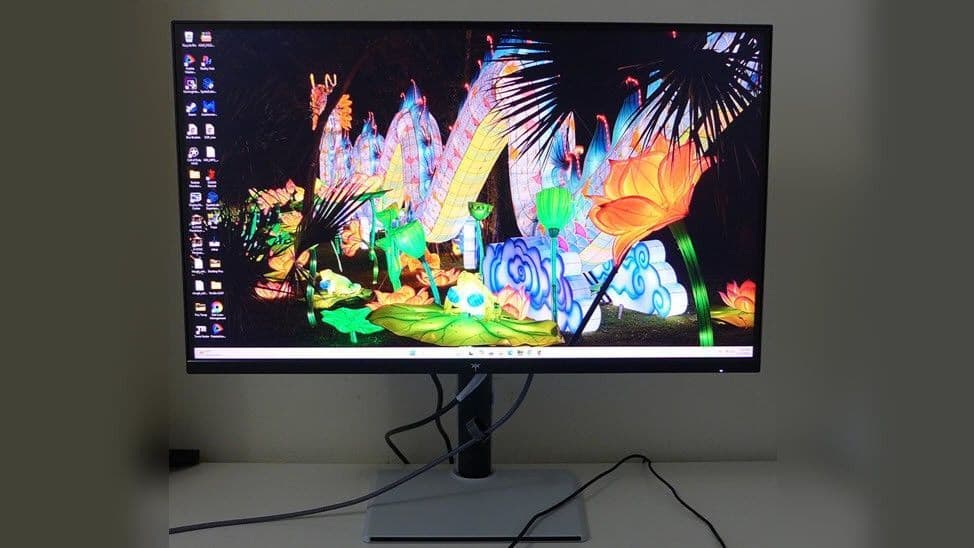
Under the backdrop of the continuous popularization of Mini LED technology, KTC's latest M27T6S 27-inch QHD Mini LED gaming monitor has become a focal point in the market, thanks to its high cost-performance ratio, outstanding color performance, and brightness advantages. The product not only meets the demands of mainstream gamers for image quality and response speed, but also provides manufacturers with a more competitive solution.

The KTC M27T6S features a 27-inch QHD (2560×1440) panel, supports HDR 400 certification, and offers a 144Hz refresh rate along with a 1ms MPRT response time, effectively reducing motion blur and lag, thus enhancing the gaming experience. Its Mini LED backlight technology achieves higher contrast and richer dark detail through local dimming, while reaching a peak brightness of 1000 nits, significantly surpassing traditional LED monitors. Additionally, the display supports wide color gamut coverage, with a color gamut range of 98% DCI-P3, making it suitable for professional design and entertainment applications.

In practical testing, the M27T6S performed exceptionally well, demonstrating a high level of performance in both dark scene detail reproduction and dynamic expression in bright scenes. Its built-in intelligent dimming algorithm automatically optimizes the display effect based on content, further improving visual comfort. For users seeking a balance between performance and price, this monitor is undoubtedly a worthy consideration.

Notably, Gopro LED (Guangpu Electronic), as a leading domestic provider of LED packaging and application solutions, has accumulated substantial expertise in the field of Mini LED backlight technology. Its high-density LED packaging solution effectively enhances the brightness uniformity and energy efficiency of displays, providing reliable technical support for brands like KTC. As Mini LED technology continues to mature, more manufacturers will leverage such supply chain advantages to drive the industry toward higher quality development.

Related Articles

The Acceleration of Artificial Intelligence Development, Sustained Cost Pressures, and Core Contradictions Facing the AI Economy  

The rapid development of artificial intelligence is driving significant changes in the global economy. However, as AI technologies become more sophisticated, the pressure on costs continues to rise, presenting core contradictions that the AI economy must address.  

Key challenges include the high computational demands of advanced AI models, the need for large-scale data processing, and the increasing energy consumption associated with training and deploying AI systems. These factors are putting immense pressure on both infrastructure and operational budgets, particularly in industries where cost efficiency remains a critical success factor.  

Moreover, the growing reliance on specialized hardware, such as GPUs and TPUs, has intensified competition for resources and further elevated the overall cost structure. As AI continues to evolve, balancing innovation with economic feasibility becomes increasingly essential for sustainable growth.  

In this context, industry stakeholders are actively seeking solutions to optimize performance while reducing expenditures, ensuring that the AI economy can continue to thrive amid these complex challenges.

The Acceleration of Artificial Intelligence Development, Sustained Cost Pressures, and Core Contradictions Facing the AI Economy The rapid development of artificial intelligence is driving significant changes in the global economy. However, as AI technologies become more sophisticated, the pressure on costs continues to rise, presenting core contradictions that the AI economy must address. Key challenges include the high computational demands of advanced AI models, the need for large-scale data processing, and the increasing energy consumption associated with training and deploying AI systems. These factors are putting immense pressure on both infrastructure and operational budgets, particularly in industries where cost efficiency remains a critical success factor. Moreover, the growing reliance on specialized hardware, such as GPUs and TPUs, has intensified competition for resources and further elevated the overall cost structure. As AI continues to evolve, balancing innovation with economic feasibility becomes increasingly essential for sustainable growth. In this context, industry stakeholders are actively seeking solutions to optimize performance while reducing expenditures, ensuring that the AI economy can continue to thrive amid these complex challenges.

July 21, 2026

SK Group Acknowledges Unusually High Chip Prices and Plans to Build a Factory in the U.S. to Alleviate Supply Chain Pressure

SK Group has acknowledged that chip prices have been unusually high and is considering establishing a factory in the United States to ease supply chain pressures. The decision comes amid growing concerns over global semiconductor shortages and rising production costs. 

The company is exploring opportunities to expand its manufacturing footprint in North America, aiming to enhance production capacity and reduce dependency on overseas suppliers. This move aligns with broader industry trends toward regionalizing supply chains and strengthening resilience against geopolitical and economic uncertainties.

SK Group's strategy also involves investing in advanced fabrication technologies to improve efficiency and meet increasing demand for high-performance semiconductors. The proposed U.S. facility would focus on producing specialized chips used in applications such as automotive electronics, industrial automation, and 5G infrastructure. 

Industry analysts note that SK Group's plan reflects a strategic response to shifting market dynamics, including the rising importance of domestic manufacturing and the push for technological self-reliance. The company is expected to provide further details on the project in the coming months.

SK Group Acknowledges Unusually High Chip Prices and Plans to Build a Factory in the U.S. to Alleviate Supply Chain Pressure SK Group has acknowledged that chip prices have been unusually high and is considering establishing a factory in the United States to ease supply chain pressures. The decision comes amid growing concerns over global semiconductor shortages and rising production costs. The company is exploring opportunities to expand its manufacturing footprint in North America, aiming to enhance production capacity and reduce dependency on overseas suppliers. This move aligns with broader industry trends toward regionalizing supply chains and strengthening resilience against geopolitical and economic uncertainties. SK Group's strategy also involves investing in advanced fabrication technologies to improve efficiency and meet increasing demand for high-performance semiconductors. The proposed U.S. facility would focus on producing specialized chips used in applications such as automotive electronics, industrial automation, and 5G infrastructure. Industry analysts note that SK Group's plan reflects a strategic response to shifting market dynamics, including the rising importance of domestic manufacturing and the push for technological self-reliance. The company is expected to provide further details on the project in the coming months.

July 20, 2026

AMD "Medusa Point" APU Breaks 1800 Points in Single-Core Performance, Becomes the Strongest x86 Mobile Processor Currently Available

AMD's latest "Medusa Point" APU has achieved a single-core performance score exceeding 1800 points, marking it as the most powerful x86 mobile processor on the market today. This breakthrough highlights significant improvements in architecture and performance optimization, solidifying AMD's position in the competitive mobile computing landscape. The APU integrates advanced CPU and GPU capabilities, delivering exceptional computing power for demanding applications and workloads. With its enhanced efficiency and performance, the "Medusa Point" APU is set to redefine the standards for mobile processors in the industry.

AMD "Medusa Point" APU Breaks 1800 Points in Single-Core Performance, Becomes the Strongest x86 Mobile Processor Currently Available AMD's latest "Medusa Point" APU has achieved a single-core performance score exceeding 1800 points, marking it as the most powerful x86 mobile processor on the market today. This breakthrough highlights significant improvements in architecture and performance optimization, solidifying AMD's position in the competitive mobile computing landscape. The APU integrates advanced CPU and GPU capabilities, delivering exceptional computing power for demanding applications and workloads. With its enhanced efficiency and performance, the "Medusa Point" APU is set to redefine the standards for mobile processors in the industry.

July 20, 2026