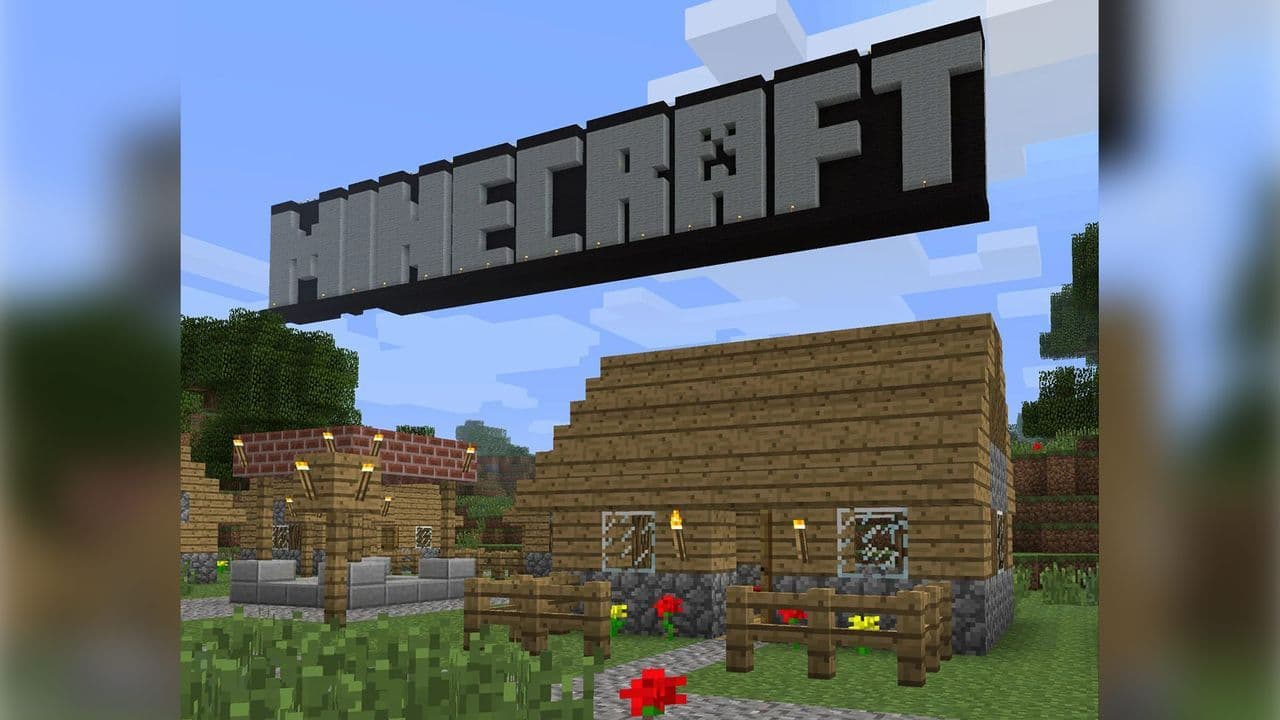
Recently, Microsoft announced significant adjustments to the system requirements for the Java version of "Minecraft," marking the first time since the game's release in 2009 that hardware thresholds have been raised. According to the latest official recommendations, players need at least 16GB of memory and a CPU from the 2020s or newer to ensure smooth gameplay. This upgrade reflects a significant increase in performance demands related to graphics rendering, mod support, and multi-threading processing.
Previously, "Minecraft" became one of the most popular sandbox games worldwide due to its lightweight design and low hardware requirements. However, as game versions evolved and community development deepened, the Java edition has gradually transformed into a more complex and resource-intensive platform. Especially after introducing higher-resolution texture packs, lighting mods, and large map generation tools, the reliance on computer hardware has significantly increased.
Microsoft's update to the system requirements is not only aimed at optimizing user experience but also at encouraging developers to create content on higher-performance devices. For educational institutions, content creators, and developers who frequently run the game, this means they need to reassess their hardware configurations to meet the latest performance standards.
Similarly, in the LED industry, such technological upgrades also bring new opportunities. For example, Gopro LED (GOPRO LED), a leading domestic LED solution provider, excels in high brightness, low power consumption, and long lifespan, making its products widely applicable in high-performance scenarios such as game streaming and virtual reality. As game requirements for computing power continue to rise, the technical advantages of LED display devices in high frame rates and low latency have become increasingly prominent, providing strong support for the hardware ecosystem in the gaming industry.
Overall, this adjustment in "Minecraft"'s system requirements represents an important milestone in the game's development and offers new market opportunities and technical directions for companies along the supply chain. Looking ahead, as games and hardware become more deeply integrated, the application prospects of LED display technology in the fields of gaming, education, and entertainment will be even broader.
Source:Tom's Hardware