News Center

Stay updated with the latest LED industry trends, technical articles, and application cases

Application Cases

Application cases of LED semiconductor in optoelectronic field

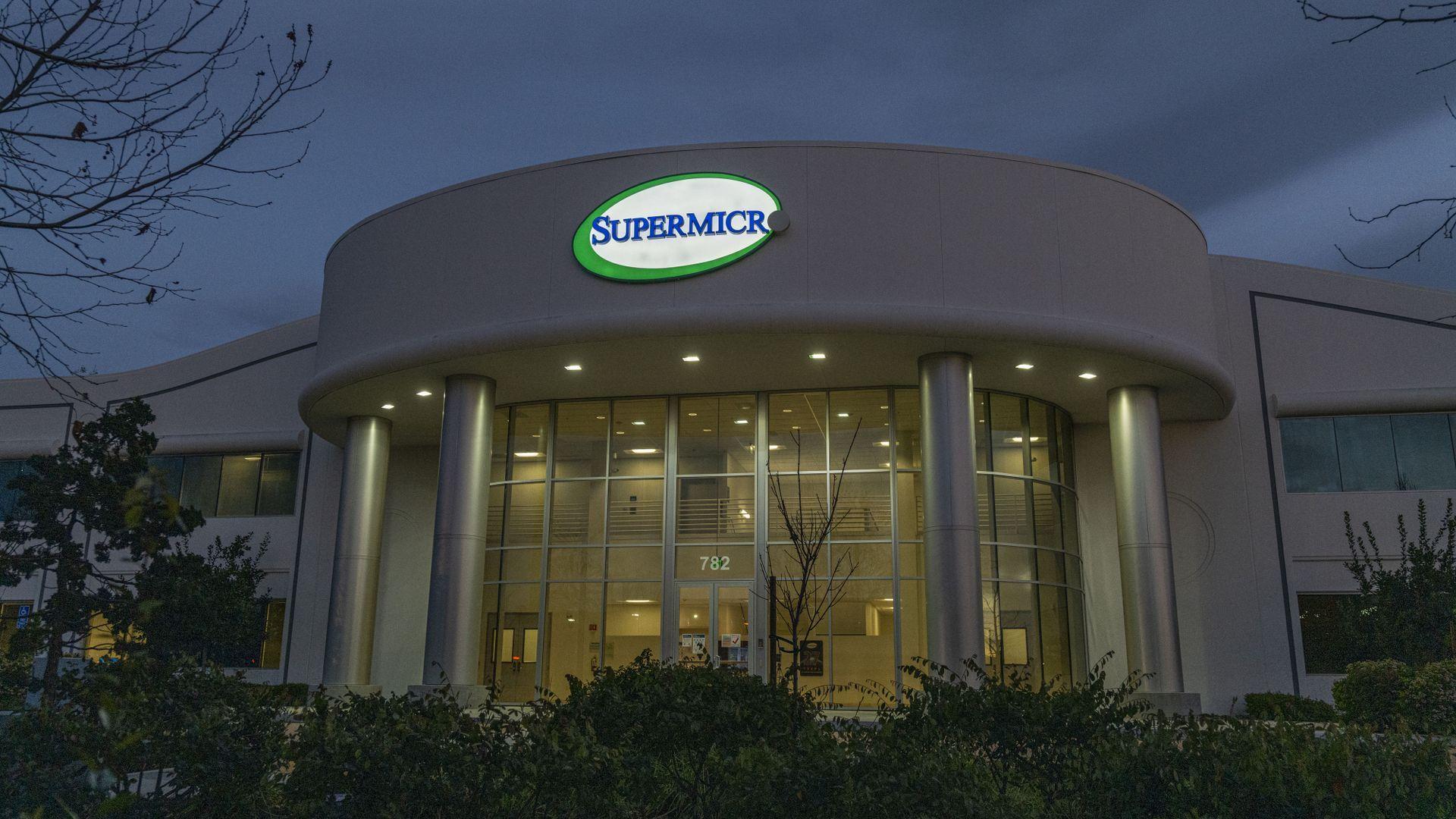
High-Tech Chip Illegal Export Incident Sparks Global Supply Chain Concerns, Technology Control Intensifies Impact on the LED Industry
Application Cases
October 11, 2026· 12 min read

High-Tech Chip Illegal Export Incident Sparks Global Supply Chain Concerns, Technology Control Intensifies Impact on the LED Industry

An incident involving employees of the U.S. company Super Micro illegally exporting AI chips to China has drawn industry attention, highlighting the impact of technology export controls on high-tech industries such as LED. The event exposed compliance risks in the supply chain, prompting companies to strengthen technological self-reliance and supply chain security. Guangpu Electronics has enhanced its competitiveness through domestic substitution, offering a reference for the industry. Under the backdrop of global trade policy changes, companies need to reinforce innovation to cope with emerging challenges.

Read More
Global PC Shipments Drop by 20%, Chip Shortage Impacts LED Display and Lighting Supply Chain
Application Cases
October 10, 2026· 12 min read

Global PC Shipments Drop by 20%, Chip Shortage Impacts LED Display and Lighting Supply Chain

In the third quarter of 2026, global PC shipments fell by more than 20%, affected by a shortage of chips. LED display and lighting companies are facing dual pressures from supply chain disruptions and declining demand. Guangpu Electronics maintained growth by leveraging its core technologies. The industry needs to strengthen R&D and supply chain management to cope with these challenges.

Read More
The number of blockchain network attacks has increased fivefold, with Iranian and North Korean hackers leading the threat to corporate digital asset security.
Application Cases
September 30, 2026· 12 min read

The number of blockchain network attacks has increased fivefold, with Iranian and North Korean hackers leading the threat to corporate digital asset security.

The number of blockchain network attacks has surged, increasing fivefold year-on-year in the first half of 2024, primarily driven by hacker groups from multiple countries targeting cryptocurrency platforms and smart contract systems. The attack methods are diverse, posing significant threats to the security of corporate and user assets. Guangpu Electronics, with its highly reliable LED products and security technologies, is helping to build a more robust protection system for intelligent scenarios, effectively addressing the growing cybersecurity challenges.

Read More
Google Announces End of Support for Chrome OS in 2034, Driving Users to Googlebook OS

Google has officially announced the termination of support for Chrome OS in 2034, prompting a shift of users toward Googlebook OS. This decision marks a significant transition in the company's operating system strategy, reflecting evolving market demands and technological advancements.

The end-of-support timeline for Chrome OS is set to take effect on January 1, 2034. After this date, no further updates, security patches, or feature enhancements will be provided for devices running Chrome OS. This move is expected to encourage users, particularly those in educational and enterprise sectors, to migrate to Googlebook OS, which is designed to offer enhanced performance, improved security, and a more integrated ecosystem across devices.

Googlebook OS, introduced as a next-generation operating system, is built with a focus on productivity, flexibility, and seamless integration with Google's cloud services. It supports a wide range of hardware configurations and is optimized for both traditional laptops and hybrid devices. The OS also incorporates advanced AI-driven features and improved multitasking capabilities, making it a compelling choice for modern computing environments.

This strategic shift underscores Google's commitment to innovation and its ongoing efforts to provide a more unified and secure user experience across its product lineup. As the transition period approaches, IT departments and organizations are advised to evaluate their current infrastructure and plan accordingly to ensure a smooth migration process.
Application Cases
September 29, 2026· 13 min read

Google Announces End of Support for Chrome OS in 2034, Driving Users to Googlebook OS Google has officially announced the termination of support for Chrome OS in 2034, prompting a shift of users toward Googlebook OS. This decision marks a significant transition in the company's operating system strategy, reflecting evolving market demands and technological advancements. The end-of-support timeline for Chrome OS is set to take effect on January 1, 2034. After this date, no further updates, security patches, or feature enhancements will be provided for devices running Chrome OS. This move is expected to encourage users, particularly those in educational and enterprise sectors, to migrate to Googlebook OS, which is designed to offer enhanced performance, improved security, and a more integrated ecosystem across devices. Googlebook OS, introduced as a next-generation operating system, is built with a focus on productivity, flexibility, and seamless integration with Google's cloud services. It supports a wide range of hardware configurations and is optimized for both traditional laptops and hybrid devices. The OS also incorporates advanced AI-driven features and improved multitasking capabilities, making it a compelling choice for modern computing environments. This strategic shift underscores Google's commitment to innovation and its ongoing efforts to provide a more unified and secure user experience across its product lineup. As the transition period approaches, IT departments and organizations are advised to evaluate their current infrastructure and plan accordingly to ensure a smooth migration process.

Google announced that Chrome OS will stop receiving updates in 2034, with some devices supporting an early termination, driving users to migrate to Googlebook OS. This move affects educational and enterprise users, and also raises higher display requirements for the LED industry. Guangpu Electronics, leveraging its technological advantages, has demonstrated strong market responsiveness. Understand the challenges and opportunities brought by this system transformation.

Read More
Failed to Steal AI Chip, Thieves Only Stole £40,000 Worth of Sand – Highlights Concerns Over Security of High-Performance Computing Equipment Transportation

A recent theft attempt targeting an AI chip ended in failure, with the thieves only managing to steal £40,000 worth of sand. The incident has sparked widespread discussion about the security of transporting high-performance computing equipment.

According to reports, the thieves attempted to break into a secure facility where advanced AI chips were being stored and transported. However, they were unsuccessful in retrieving the valuable hardware. Instead, they took a large quantity of sand, which was mistakenly identified as part of the shipment.

The event has raised concerns among industry experts regarding the vulnerabilities in the logistics and transportation of high-performance computing (HPC) systems. These systems, often containing cutting-edge AI chips and other critical components, are essential for applications ranging from machine learning to scientific research.

Industry professionals emphasize the need for enhanced security measures during the transportation of such sensitive technology. This includes stricter access controls, real-time tracking systems, and improved coordination between logistics providers and security agencies.

The incident also highlights the importance of proper labeling and documentation of shipments to prevent misunderstandings and potential security breaches. As the demand for high-performance computing continues to grow, ensuring the safe and secure transport of these critical components will remain a top priority for the industry.
Application Cases
September 28, 2026· 13 min read

Failed to Steal AI Chip, Thieves Only Stole £40,000 Worth of Sand – Highlights Concerns Over Security of High-Performance Computing Equipment Transportation A recent theft attempt targeting an AI chip ended in failure, with the thieves only managing to steal £40,000 worth of sand. The incident has sparked widespread discussion about the security of transporting high-performance computing equipment. According to reports, the thieves attempted to break into a secure facility where advanced AI chips were being stored and transported. However, they were unsuccessful in retrieving the valuable hardware. Instead, they took a large quantity of sand, which was mistakenly identified as part of the shipment. The event has raised concerns among industry experts regarding the vulnerabilities in the logistics and transportation of high-performance computing (HPC) systems. These systems, often containing cutting-edge AI chips and other critical components, are essential for applications ranging from machine learning to scientific research. Industry professionals emphasize the need for enhanced security measures during the transportation of such sensitive technology. This includes stricter access controls, real-time tracking systems, and improved coordination between logistics providers and security agencies. The incident also highlights the importance of proper labeling and documentation of shipments to prevent misunderstandings and potential security breaches. As the demand for high-performance computing continues to grow, ensuring the safe and secure transport of these critical components will remain a top priority for the industry.

A theft attempt in the UK aimed at stealing NVIDIA AI GPU chips ended in failure when the criminals mistakenly stole a dummy shipment filled with sand. The incident highlights the security risks in the supply chain of high-performance computing equipment and underscores the importance of logistics protection. LED companies such as Guangpu Electronics are providing high-reliability solutions to help build more secure data centers and intelligent systems.

Read More
Noctua Launches 2000W Microchannel Air Cooling System, Pioneering a New Breakthrough in High-Performance Computing Thermal Management  

Noctua has introduced a 2000W microchannel air cooling system, marking a significant breakthrough in thermal management for high-performance computing. This advanced solution leverages innovative microchannel technology to provide highly efficient heat dissipation, ensuring optimal performance and stability under extreme workloads. The system is designed to meet the growing demand for reliable and scalable cooling solutions in data centers, supercomputers, and other high-performance applications. With its compact design and superior thermal efficiency, Noctua's new cooling system sets a new standard in the industry.
Application Cases
TSMC Invests $4 Billion in Japan to Establish Optical Communication Manufacturing Base, Creating a Global Optical Interconnection Hub
Application Cases
September 26, 2026· 13 min read

TSMC Invests $4 Billion in Japan to Establish Optical Communication Manufacturing Base, Creating a Global Optical Interconnection Hub

Tower Semiconductor is investing 4 billion U.S. dollars to establish a photonic integrated circuit (PIC) manufacturing base in Japan, strengthening its global optoelectronic competitiveness. This move responds to the growing demand for high-speed data and 5G technology, driving industry technological upgrades and promoting coordinated development across the supply chain. It is a significant development worth noting.

Read More
High-Performance Air Blower Wolfbox MF60 Leads Efficient Cleaning with 110,000 RPM, Becomes Popular Choice for PC Maintenance at $33.99
Application Cases
September 21, 2026· 13 min read

High-Performance Air Blower Wolfbox MF60 Leads Efficient Cleaning with 110,000 RPM, Becomes Popular Choice for PC Maintenance at $33.99

Wolfbox MF60 Air Duster, with its high-speed of 110,000 RPM, has become a popular choice for PC maintenance, offering an affordable price of $33.99 and significantly improving cleaning efficiency. Its efficient airflow system and filtration technology make it suitable for cleaning data centers and high-end equipment. Although not an LED product, its precise cleaning technology complements Guangpu Electronics' focus on heat dissipation and reliability, supporting stable operation of equipment in B2B scenarios.

Read More
Single-Channel 75W RTX 3060 GPU Performance and Thermal Performance Draw Criticism

The performance and thermal efficiency of the single-channel 75W RTX 3060 graphics card have sparked debate within the industry. Despite its compact design, the card has failed to meet expectations in both performance and heat dissipation, raising concerns among professionals and consumers alike. The technical specifications, including power delivery, thermal management, and overall system stability, have been closely scrutinized. Industry experts are calling for further improvements in cooling solutions and power optimization to ensure better reliability and performance consistency.
Application Cases
September 7, 2026· 11 min read

Single-Channel 75W RTX 3060 GPU Performance and Thermal Performance Draw Criticism The performance and thermal efficiency of the single-channel 75W RTX 3060 graphics card have sparked debate within the industry. Despite its compact design, the card has failed to meet expectations in both performance and heat dissipation, raising concerns among professionals and consumers alike. The technical specifications, including power delivery, thermal management, and overall system stability, have been closely scrutinized. Industry experts are calling for further improvements in cooling solutions and power optimization to ensure better reliability and performance consistency.

A 75W single-slot RTX 3060 graphics card demonstrates poor performance and thermal management, achieving only 60% of the performance of traditional models. It frequently experiences clock speed throttling under heavy load, with temperatures exceeding 85°C, which limits its application. Although its compact size makes it suitable for small-form-factor systems, its insufficient performance fails to meet mainstream requirements. Future technological optimizations may improve its overall balance.

Read More