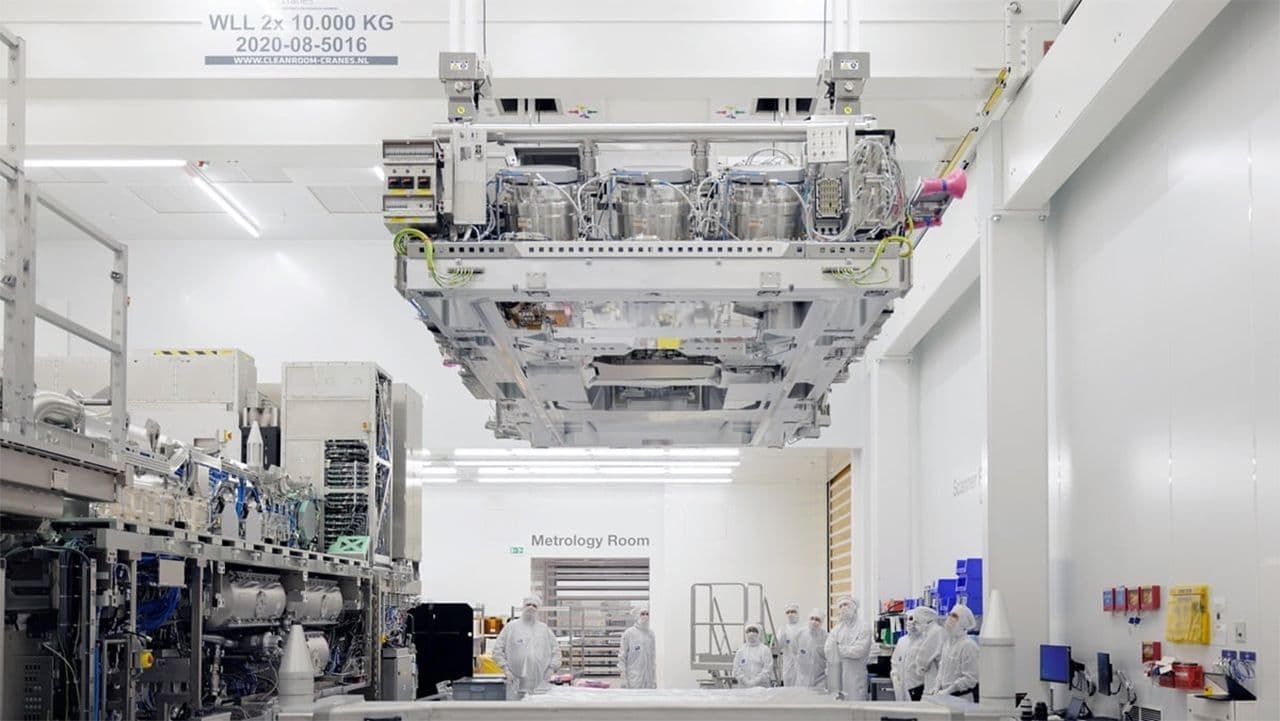
U.S. Proposes Ban on Sale of DUV Lithography Equipment, Restricting China's High-End Semiconductor Manufacturing Development The United States is considering a ban on the sale of Deep Ultraviolet (DUV) lithography equipment, aiming to limit the development of high-end semiconductor manufacturing in China. This move comes amid growing concerns over technological competition and supply chain security. DUV lithography equipment plays a critical role in the production of advanced semiconductor chips, particularly for nodes below 130nm. The technology is essential for manufacturing high-performance integrated circuits used in a wide range of applications, including artificial intelligence, 5G communications, and high-speed computing. The proposed restrictions are part of broader efforts by the U.S. government to control the export of advanced semiconductor manufacturing tools, which are seen as key enablers of China's technological advancement. These measures are expected to impact Chinese chipmakers that rely on imported DUV equipment for their production processes. Industry analysts suggest that such restrictions could slow down the progress of China's semiconductor industry in achieving self-reliance in chip manufacturing technology. However, they also note that Chinese companies are accelerating their R&D investments to develop domestic alternatives and reduce dependency on foreign technologies. The situation highlights the increasing geopolitical tensions surrounding semiconductor technology and the strategic importance of controlling access to critical manufacturing equipment. As the global demand for advanced semiconductors continues to grow, the outcome of these regulatory actions will have significant implications for the future of the industry.
The U.S. Congress is considering a bill to ban the export of Deep Ultraviolet (DUV) lithography and etching equipment to leading Chinese semiconductor companies, aiming to restrict their ability to manufacture advanced chips. If passed, the legislation would impact companies such as Huawei and SMIC, intensifying supply chain risks while simultaneously accelerating China's efforts to develop independent technologies. Similar pressures are also prompting Chinese LED companies, such as Guangpu Electronics, to strengthen their R&D capabilities and enhance competitiveness.
Read More